
The Ultimate Cover Letter Guide: Templates, Examples & Writing Secrets
- Why it matters: Even if some recruiters skim or skip, a cover letter helps you connect the dots, show intent, and turn a “maybe” into an interview.
- Core structure: Use 3 paragraphs – Hook with a specific company detail, prove fit with 1 to 2 aligned wins, close with confident next steps.
- Opening hooks: Lead with research, a referral, or a relevant accomplishment and avoid generic “I am writing to apply” lines.
- High-risk mistakes: Avoid being generic, repeating the resume, writing too long, typos, and weak language that sounds unsure.
- When to use it: Send one when requested and usually when “optional”; use a short version for tight spaces, then customize from industry examples instead of copying a template.

Why Cover Letters Still Matter (Even When No One Reads Them)
Here’s the truth about cover letters: most recruiters don’t read every word. Some don’t read them at all. But that doesn’t make them optional.
A cover letter is your second chance to make a first impression. Your resume shows what you’ve done. Your cover letter explains why it matters for this specific role. It’s where you connect the dots, address questions, and show personality beyond bullet points.
When done right, a cover letter can turn a borderline application into an interview. When done poorly – or skipped entirely – it signals that you’re not serious about the opportunity. Even if only 30% of recruiters read cover letters thoroughly, that’s still 30% of your chances you can’t afford to waste.
This cover letter guide gives you everything you need to write letters that actually get read. You’ll learn the proven structure that works across industries, how to customize without starting from scratch, and how to avoid the mistakes that make recruiters stop reading after the first sentence.
The 3-Paragraph Magic Formula
Most cover letters fail because they’re either too long or too generic. The three-paragraph structure solves both problems. It’s short enough that recruiters will actually read it, and focused enough to say something meaningful.
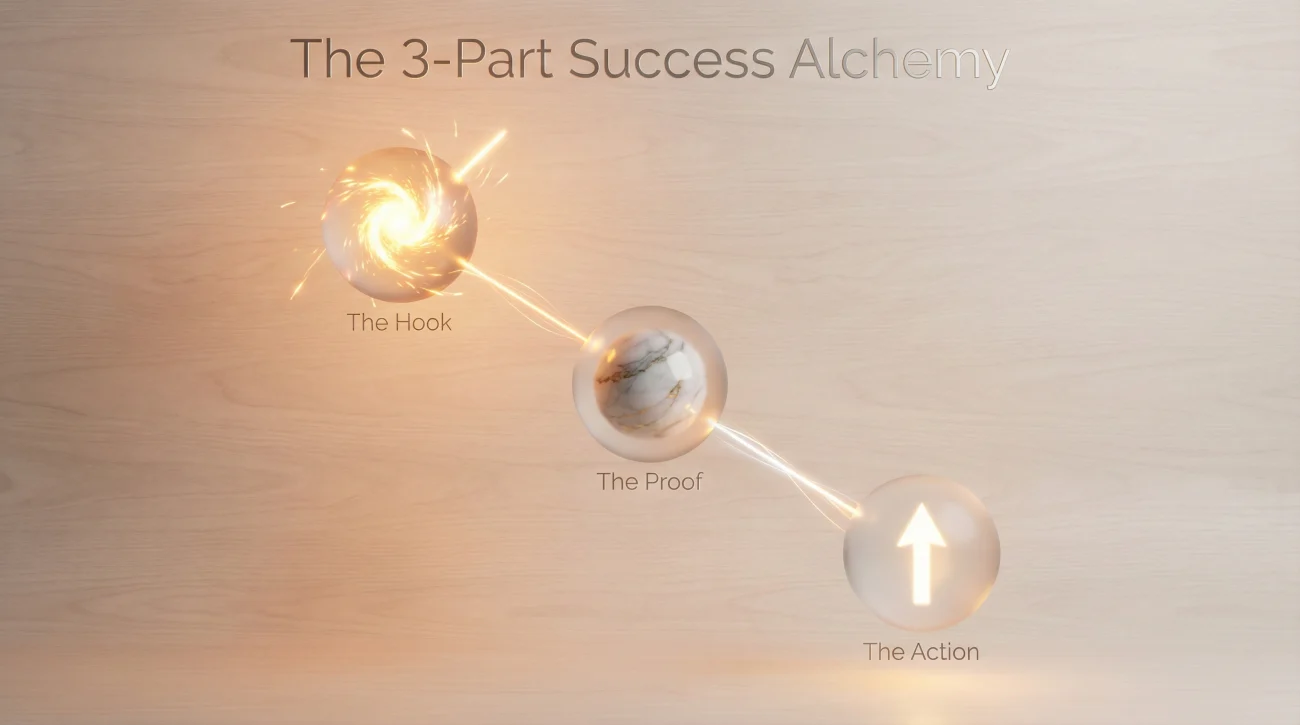
Paragraph 1: Hook Them Immediately
Your opening paragraph needs to accomplish two things: state what you’re applying for, and give the recruiter a reason to keep reading.
Skip the clichés. “I am writing to express my interest in…” is a wasted sentence. Everyone knows why you’re writing. Instead, lead with something specific about the company or role that caught your attention, then connect it to your experience.
Strong opening: “When I saw that your team rebuilt the entire customer onboarding flow in six months, I knew this was the kind of environment where my product management experience could make a real impact.”
Weak opening: “I am excited to apply for the Product Manager position at your company. I believe I would be a great fit.”
The best cover letter opening lines are specific, confident, and immediately relevant to the role. They show you’ve done your research and understand what the job actually requires.
Paragraph 2: Prove You Can Do the Job
This is where you connect your experience to their needs. Pick one or two examples that directly relate to the job description. Explain what you did, how you did it, and what the result was.
Don’t just repeat your resume. Use this space to tell a brief story or highlight a specific accomplishment that demonstrates the skills they’re looking for.
Example: “In my current role at TechCorp, I led a cross-functional team through a major platform migration that reduced downtime by 40% and improved user satisfaction scores by 25%. This required balancing technical constraints with user needs – exactly the kind of challenge your team is tackling with the new customer portal.”
Notice how this connects past work to the company’s current project. That’s the key. You’re not just listing qualifications; you’re showing how your experience translates to their specific situation.
Paragraph 3: Close with Clarity and Confidence
End by reiterating your interest and suggesting next steps. Thank them for their time, express enthusiasm about the opportunity, and make it easy for them to contact you.
Strong closing: “I’d welcome the chance to discuss how my experience with agile project management and stakeholder communication can contribute to your team’s goals. I’m available for a conversation at your convenience and look forward to hearing from you.”
Weak closing: “Thank you for your consideration. I hope to hear from you soon.”
Confidence matters here. You’re not begging for consideration – you’re offering value. End on a note that invites conversation, not one that sounds desperate or passive.
Opening Hooks That Get Recruiters to Keep Reading
The first sentence of your cover letter is the most important. If it’s boring, the rest doesn’t matter because no one will read it.

Show You’ve Done Your Research
Reference something specific about the company – a recent product launch, a mission statement that resonates with you, or a problem they’re trying to solve. This immediately signals that your letter isn’t a template you’re sending to fifty companies.
Example: “After reading your CEO’s interview about expanding into Southeast Asia, I knew my five years of regional market development experience could help accelerate that growth.”
Lead with a Personal Connection
If someone referred you, mention their name in the first sentence. Referrals get attention, and leading with one immediately elevates your application.
Example: “Sarah Chen suggested I reach out about the Senior Analyst opening – after working with her on three client projects, she thought my data visualization skills would be a strong fit for your team.”
Start with a Relevant Accomplishment
If you have a standout achievement that directly relates to the job, lead with it. This works especially well for sales, marketing, or roles where results are easy to quantify.
Example: “In my last role, I increased lead conversion by 35% in six months. I’m confident I can bring that same strategic approach to your sales team.”
These openings work because they’re specific, confident, and immediately relevant. They give the recruiter a reason to keep reading instead of moving on to the next application.
Addressing Career Gaps Without Sounding Defensive
Career gaps happen. Layoffs, caregiving, health issues, career changes – life doesn’t follow a neat timeline. The key is addressing the gap briefly and honestly, then redirecting focus to what you bring to the role.

Acknowledge It, Don’t Apologize
You don’t need to over-explain. A sentence or two is enough. State what happened, mention anything productive you did during that time (freelancing, courses, volunteering), and move on.
Example: “I took a two-year break to care for a family member. During that time, I completed a certification in digital marketing and freelanced for three small businesses, which kept my skills current and expanded my client management experience.”
Redirect to Your Value
After briefly addressing the gap, shift the focus back to why you’re a strong candidate. The gap is context, not the story. Your skills, experience, and enthusiasm are what matter.
For a complete approach to how to write a cover letter with no experience or after a career break, our dedicated guides provide templates and examples tailored to these specific situations.
Cover Letter Examples by Industry
Every industry has different expectations. A cover letter for a creative role can be more personal and narrative-driven. A letter for a finance or legal position should be more formal and concise. Below is a directory of industry-specific examples and templates to help you get started.
Each example is tailored to the specific expectations and language of that industry. Use them as starting points, then customize the details to match your experience and the job you’re applying for.
Common Mistakes That Kill Your Cover Letter
Even strong candidates lose opportunities because of avoidable mistakes in their cover letters. Here are the errors that make recruiters stop reading – and how to fix them.
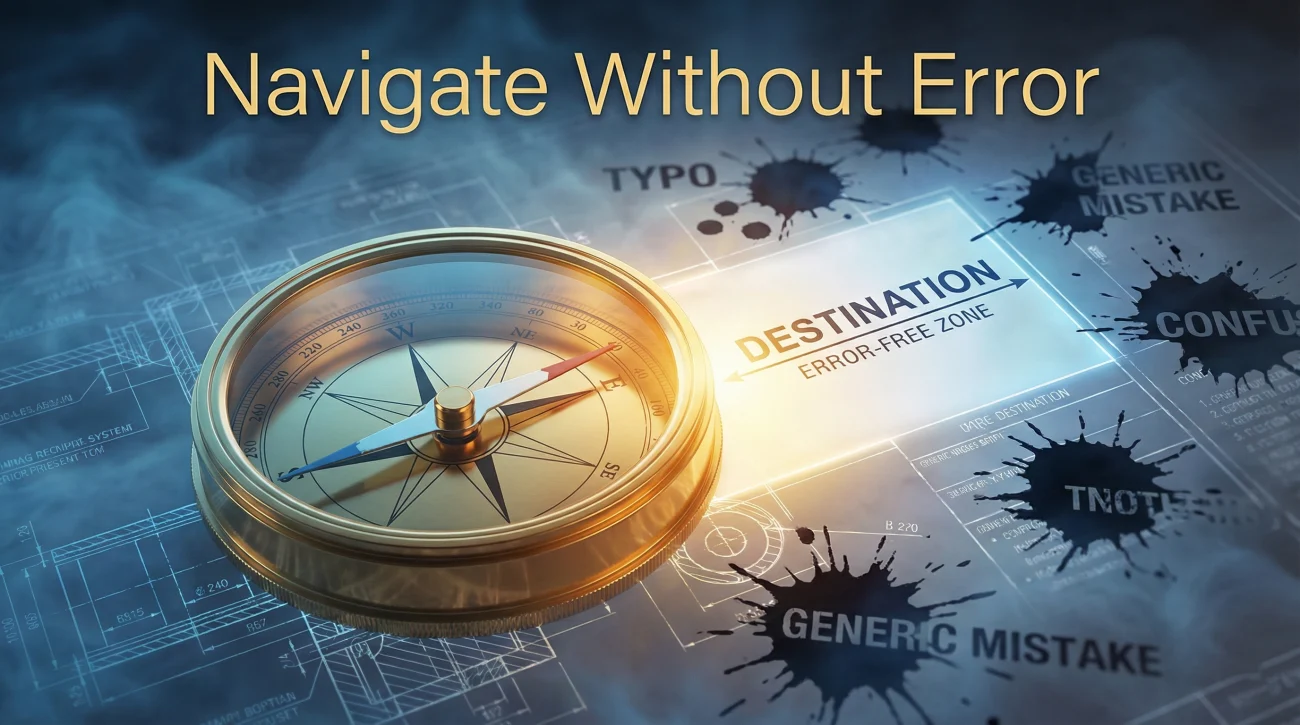
Being Too Generic
If your cover letter could apply to any company or any role, it’s not doing its job. Generic letters signal that you’re mass-applying without real interest. Fix this by mentioning something specific about the company or role in your opening paragraph.
Repeating Your Resume Word-for-Word
Your resume lists your experience. Your cover letter explains why it matters. Don’t just restate bullet points – expand on one or two key accomplishments and connect them to the job you’re applying for.
Writing Too Much
Cover letters should be short – three paragraphs, half a page at most. If it’s longer than that, you’re probably including too much detail. Edit ruthlessly. Every sentence should serve a purpose.
Typos and Grammar Errors
A single typo can cost you an interview. Proofread carefully, read your letter out loud, and have someone else review it before you send it. Mistakes suggest carelessness, and no one wants to hire someone who doesn’t pay attention to details.
Starting with Weak Language
Phrases like “I believe I would be a good fit” or “I hope you’ll consider my application” sound uncertain. Use confident, direct language instead. “I’m confident my experience with…” or “My background in… makes me a strong candidate for…”
For more on what works and what doesn’t, check out our comprehensive guide on how to write a resume that covers similar principles for application documents.
When to Write a Short Cover Letter (And How to Do It Right)
Some applications don’t require or expect a full cover letter. If the job posting says “optional” or if you’re applying through a platform with a short message field, a condensed version works better.
Structure for Short Cover Letters
A short cover letter follows the same three-paragraph structure, but each paragraph is tightened to 1-2 sentences.
Short cover letter example: “I’m applying for the Marketing Coordinator role at ABC Company. Your recent campaign for sustainable packaging caught my attention – it aligns perfectly with my three years of experience in mission-driven marketing. I’d love to discuss how my background in content strategy and social media management can support your team’s goals. I’m available at your convenience and look forward to connecting.”
That’s four sentences total, but it covers everything: what you’re applying for, why you care, what you bring, and a call to action. Short cover letter examples like this work when space is limited or when you’re reaching out cold.
Are Cover Letters Still Necessary?
This question comes up constantly, and the answer is: it depends. Some companies don’t read them. Some make them optional. But many still expect them, and skipping a cover letter when one is requested – or even just welcomed – can cost you the interview.
Here’s the rule: if the job posting asks for a cover letter, send one. If it says “optional,” send one anyway. The effort signals genuine interest, and it gives you a chance to stand out in a way your resume can’t.
If the application system doesn’t have a place for a cover letter and the posting doesn’t mention one, you’re safe skipping it. But when in doubt, include it.
For a deeper look at whether cover letters are still necessary in modern hiring, our analysis breaks down current trends and recruiter perspectives.
FAQ
Write Cover Letters That Actually Get Read
A strong cover letter doesn’t need to be long, creative, or perfect. It just needs to be clear, specific, and confident. It should explain why you’re interested in this role at this company, prove you can do the job, and invite the recruiter to take the next step.
Use the three-paragraph structure. Lead with a strong opening that shows you’ve done your research. Connect your experience to their needs in the middle. Close with confidence and clarity. Keep it short, proofread carefully, and customize it for every application.
If you need help building a resume that complements your cover letter, explore our collection of resume examples and templates to see what works across industries. And for a complete application strategy, read our guide on how to write a resume that pairs perfectly with a well-crafted cover letter.
Your cover letter is your chance to go beyond the resume and show who you are. Make it count.