

- What a social worker resume must prove: Clear impact, ethical judgment, and organized communication, not just compassion.
- How to tailor it fast: Research the agency setting and mirror job description keywords naturally for ATS and human scans.
- Best structure to use: Clean header, summary or objective, licenses near the top, grouped core skills, then reverse chronological experience.
- How to write stronger bullets: Action verb plus task plus measurable result, using scale, outcomes, and compliance examples.
- Common mistakes to avoid: Duty only bullets, vague clichés, missing keywords, buried credentials, and sloppy proofreading.
Why Every Word Matters in a Social Worker Resume Template
Social work is built on empathy, but hiring decisions often rely on clarity and evidence. A well-crafted social worker resume template does more than list your experience; it tells the story of your commitment, competence, and the tangible impact you’ve made. It bridges the gap between compassion and professionalism, showing that you can handle complex cases with both heart and structure. Unlike corporate industries where metrics often dominate, social work resumes must convey emotional intelligence, resilience, and ethical judgment alongside qualifications.
Hiring managers – often experienced social workers themselves – scan for evidence that you understand the nuances of client advocacy, case management, and interdisciplinary collaboration. Your resume isn’t just a document; it’s your first demonstration of clear, organized communication, mirroring the precision required in case notes and reports.
Understanding the Audience: Tailoring Your Resume
Research the Agency or Organization
Before writing, thoroughly study the agency or organization. Is it a non-profit focused on community outreach, a hospital dealing with crisis intervention, a school supporting student well-being, or a government agency managing child welfare cases? Understanding their specific mission, target population, and core values is crucial.
For example:
- Community Programs: May value outreach, program development, grant writing, and coordination skills. Emphasize your ability to connect with diverse populations and build partnerships.
- Healthcare/Hospital Settings: Will prioritize documentation accuracy (EHR systems), crisis intervention, multidisciplinary teamwork (with doctors, nurses), and resilience under pressure.
- Child Welfare Agencies: Look for experience in assessment, investigation, family support, legal documentation, and navigating complex systems.
- School Social Work: Requires skills in counseling, IEP support, collaboration with teachers and parents, and knowledge of adolescent development.
Tailoring your resume to reflect their specific language and priorities demonstrates genuine interest and immediate fit.
Analyze the Job Description Keywords
Carefully read the job description and highlight key skills, responsibilities, and qualifications. Incorporate these exact keywords naturally throughout your resume, particularly in the summary, skills, and experience sections. This is vital for passing Applicant Tracking Systems (ATS) and catching the recruiter’s eye. Look for terms like: case management, client advocacy, crisis intervention, treatment planning, assessment, community resources, documentation, EHR/EMR systems, motivational interviewing, trauma-informed care, group facilitation, bilingual, [Specific Population, e.g., geriatric, pediatric].
Structure of an Effective Social Worker Resume Template
Your resume should follow a clear, logical structure that is easy for hiring managers to scan quickly. The reverse-chronological format is generally preferred, but a combination format can work well if you’re changing specializations or have diverse experiences. Adapt the layout principles found in resources like our Resume Templates Finder for a professional look.
| Section | Purpose & Key Content |
|---|---|
| Header | Your Full Name, Credentials (e.g., MSW, LCSW), Phone Number, Professional Email, City/State, LinkedIn Profile URL (optional). Make it clean and easy to find. |
| Professional Summary or Objective | Summary (for experienced): 3-4 lines highlighting years of experience, key specializations (e.g., mental health, child welfare), core skills (case management, advocacy), and significant achievements or values. Tailor to the job. Objective (for entry-level/career changers): 2-3 lines stating the specific role sought, key relevant skills (even from internships/volunteering), and career goal aligned with the organization’s mission. |
| Licenses & Certifications | Crucial for credibility. List state licenses (LSW, LCSW, etc.) with license numbers and expiration dates. Include relevant certifications (e.g., Certified Case Manager, specific therapy modalities). Place this section prominently near the top. |
| Core Skills / Areas of Expertise | Bulleted list combining hard skills (EHR systems, assessment tools, specific therapies) and soft skills (empathy, communication, crisis management, cultural competency). Use keywords from the job description. Group related skills (e.g., Clinical Skills, Case Management, Documentation). |
| Professional Experience | Reverse-chronological order. For each role: Job Title, Organization Name, City/State, Dates Employed. Use 3-5 bullet points starting with strong action verbs. Focus on quantifiable achievements and impact, not just duties. (See examples below). |
| Education | Degree Name (e.g., Master of Social Work), University Name, City/State, Graduation Date. Include relevant honors, thesis title, or specialized coursework if applicable, especially if entry-level. |
| Volunteer Experience / Community Involvement (Optional but Recommended) | Shows commitment beyond paid work. Include relevant roles, organizations, and contributions, especially if they fill experience gaps. |
| Professional Affiliations / Publications / Presentations (Optional) | Include memberships (NASW), published articles, or conference presentations if relevant, particularly for senior or specialized roles. |
Sample Professional Summary & Objective
Professional Summary (Experienced LCSW):
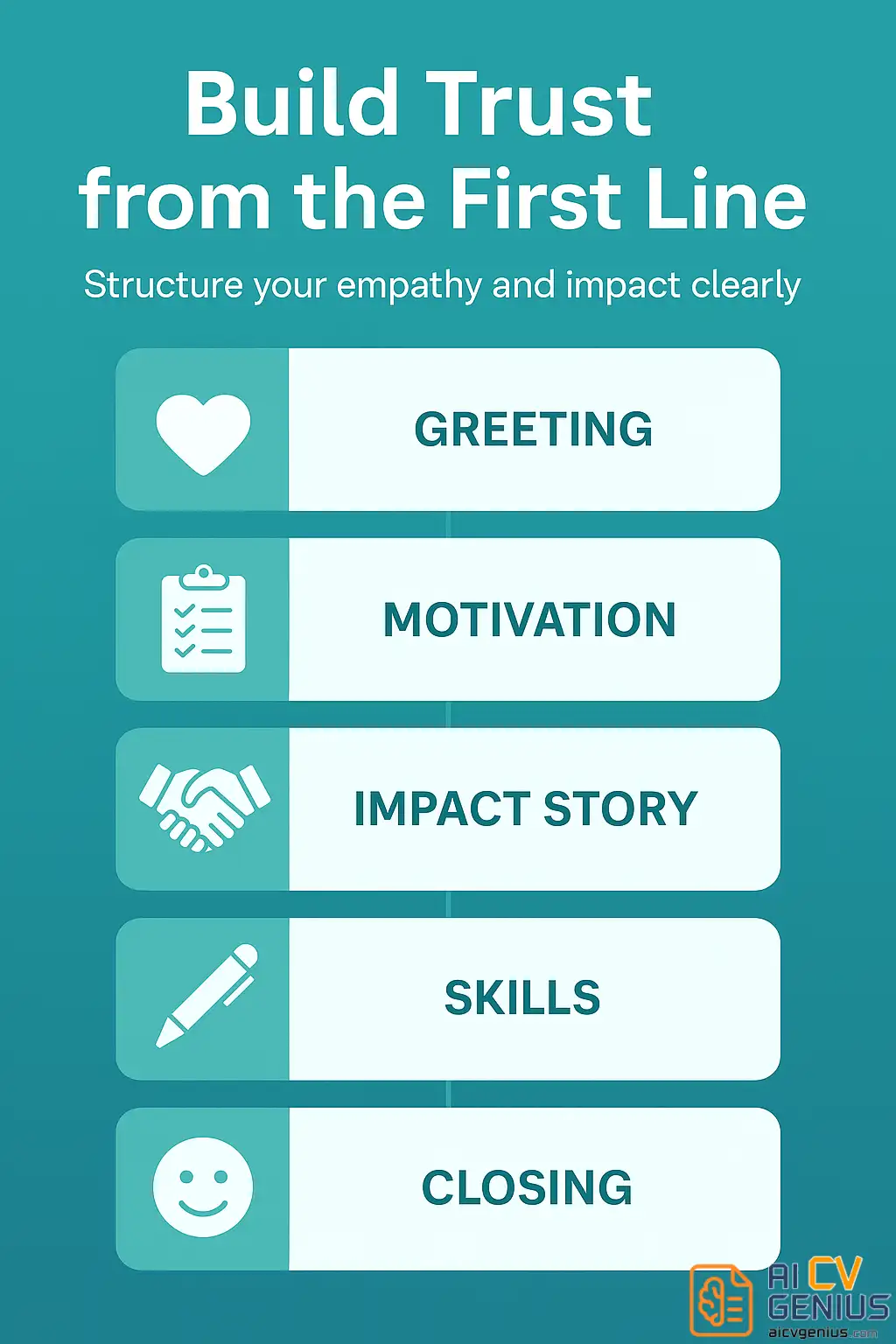
“Compassionate and results-oriented Licensed Clinical Social Worker (LCSW) with 7+ years of experience providing assessment, crisis intervention, and trauma-informed therapy to diverse adult populations in community mental health settings. Proven ability to develop effective treatment plans, collaborate with multidisciplinary teams, and improve client outcomes through evidence-based practices. Dedicated to advocating for client needs and fostering resilience.”
Objective (New Graduate MSW):
“Highly motivated recent MSW graduate seeking a Social Worker position at BrightPath Community Services. Eager to apply strong skills in case management, client assessment, and resource coordination gained through internships focused on supporting vulnerable families. Passionate about contributing to BrightPath’s mission of empowering individuals toward stability and self-sufficiency.”
Showcasing Your Skills and Experience
Core Skills to Highlight
Here’s what hiring managers consistently look for, broken down into categories:
| Skill Category | Examples |
|---|---|
| Clinical & Assessment | Intake Assessment, Diagnosis (DSM-5 criteria), Treatment Planning, Psychosocial Evaluation, Risk Assessment, Crisis Intervention, Motivational Interviewing, CBT/DBT techniques (specify), Trauma-Informed Care. |
| Case Management | Client Advocacy, Resource Coordination, Service Linkage, Discharge Planning, Follow-Up, Needs Assessment, Care Coordination, Developing Support Networks. |
| Communication & Interpersonal | Active Listening, Empathy, Conflict Resolution, Cross-Cultural Communication, Group Facilitation, Rapport Building, Interviewing Skills, Collaboration with Families/Teams. |
| Documentation & Compliance | Accurate Record Keeping, EHR/EMR Proficiency (specify systems like Epic, Cerner), Progress Notes, Treatment Plan Documentation, HIPAA Compliance, Reporting Requirements, Grant Writing (if applicable). |
| Advocacy & Outreach | Community Outreach, Policy Advocacy (if applicable), Navigating Social Systems (housing, benefits), Client Rights Education, Building Community Partnerships. |
Remember to tailor this list based on the specific job description.
Writing Impactful Experience Bullets: Show, Don’t Just Tell
Transform duties into achievements using the “Action Verb + Task + Quantifiable Result/Impact” formula.
| Weak | Strong |
|---|---|
| “Responsible for managing client cases.” | “Managed a caseload of 30+ clients with complex needs, developing individualized service plans that resulted in a 15% increase in clients achieving stable housing within 6 months.” |
| “Conducted group therapy sessions.” | “Facilitated weekly psychoeducational groups for 10–15 adolescents focused on coping skills, receiving average participant satisfaction ratings of 4.5/5.” |
| “Helped clients find resources.” | “Connected over 50 clients per quarter with critical community resources (food assistance, employment services, healthcare), improving their access to essential support systems.” |
| “Documented client progress.” | “Maintained accurate and timely client records in [EHR System Name], ensuring 100% compliance with agency documentation standards during internal audits.” |
Even if exact numbers are hard to recall, use estimates or focus on the positive change created.
For New Professionals: Showcasing Potential
If you’re crafting a social work resume with no experience (or limited paid experience), leverage internships, volunteer work, relevant coursework, and transferable skills.
- Internships/Field Placements: Treat these like real jobs. Detail your responsibilities, skills learned, client populations served, and any specific projects or accomplishments. Quantify where possible (e.g., “Assisted with intake assessments for 5-10 clients per week”).
- Volunteer Work: Highlight roles that demonstrate relevant skills like communication, empathy, organization, or advocacy (e.g., crisis hotline volunteer, mentor for at-risk youth, community event organizer).
- Relevant Coursework/Projects: Mention specific classes (e.g., Human Behavior in the Social Environment, Social Welfare Policy) or significant academic projects (e.g., thesis on community needs assessment, research on intervention effectiveness) that align with the job.
- Transferable Skills: Emphasize skills from other jobs (retail, customer service, administration) like communication, problem-solving, time management, conflict resolution, and working with diverse individuals. Frame them in the context of social work values.
“During my BSW field placement at City Youth Center, I co-facilitated weekly peer-support sessions for 12 teens, utilizing active listening and conflict resolution techniques to help them express emotions constructively. This experience solidified my passion for youth advocacy and developed my patience and adaptability – foundational skills for effective social work.”
Focus on demonstrating your passion, work ethic, and understanding of core social work principles.
Balancing Heart and Structure: Tone and Professionalism
Your resume should reflect the unique blend of compassion and professionalism required in social work. While empathy is central, the document itself needs to be structured, clear, and error-free.
- Tone: Aim for warm professionalism. Use strong action verbs but avoid overly clinical or bureaucratic jargon where possible. Let your commitment to clients and social justice shine through subtly in your summary and descriptions.
- Clarity: Use concise language and bullet points. Ensure consistent formatting (dates, titles, spacing). Avoid dense paragraphs.
- Proofreading: Meticulously check for typos and grammatical errors. Attention to detail in your resume suggests similar care in your professional practice.
Integrating technology skills is also important. Mentioning proficiency with case management software (e.g., Social Solutions Apricot, CharityTracker), EHR/EMR systems, or even standard tools like Microsoft Office/Google Suite demonstrates adaptability and efficiency. If you’re unsure how to format these elements visually, the templates in Resume Templates Finder show clean ways to balance technical and soft skills consistently across documents.
The Power of a Moment: Incorporating Brief Examples (Optional)
While the resume focuses on brevity, a powerful, concise example within a bullet point can sometimes add significant impact, especially if it highlights a core competency like advocacy or crisis management. Keep it brief and focused on the outcome.
“Successfully advocated for a client facing wrongful eviction by coordinating with legal aid services, resulting in the preservation of their housing and connection to long-term stability resources.”
Or
“De-escalated over 20 high-stress crisis situations involving individuals experiencing acute mental health episodes, ensuring client safety and facilitating connection to appropriate emergency services.”
These mini-stories transform duties into demonstrations of skill and impact.
Common Mistakes to Avoid
- ❌ Focusing only on duties, not impact: Listing tasks (“Met with clients”) without showing results or scale.
- ❌ Using vague language or clichés: Phrases like “passionate about helping people” without concrete examples.
- ❌ Forgetting keywords from the job description: Failing to tailor the resume, potentially getting filtered out by ATS.
- ❌ Burying licenses and certifications: Not placing critical credentials where they are easily visible.
- ❌ Typos and grammatical errors: Suggests lack of attention to detail, crucial in documentation.
- ❌ Overly emotional or informal tone: Failing to balance compassion with professionalism.
Pros & Cons of Using Resume Templates
| Pros ✅ | Cons ❌ |
|---|---|
| Saves time and ensures a professional, consistent layout. | Can look generic if not personalized with specific achievements and keywords. |
| Helps organize information logically and clearly. | Some highly visual templates may not be ATS-friendly. (Stick to clean, text-based designs). |
| Provides structure, reducing anxiety about formatting. | May require effort to adapt the template content to authentically reflect your unique experience and voice. |
Recommendation: Use a clean, professional, ATS-friendly template as a foundation. Invest significant effort in customizing the content – summary, skills, and especially the achievement-focused experience bullets – to make it truly yours. Explore options in the Resume Templates Guides.
Final Thoughts: Your Resume as Advocacy
Your social worker resume template is your first act of advocacy – for yourself. It’s where you demonstrate that your compassion is matched by competence, your empathy by efficiency, and your commitment by clear results. When written with authenticity, structure, and a focus on impact, your resume becomes more than just a list of jobs; it becomes a powerful narrative of purpose.
Ground your experiences in measurable outcomes, tailor your language to the organization’s mission, and let your dedication to social justice and client well-being resonate through every line. This approach ensures your resume not only passes the initial scan but truly connects with the hiring managers who share your values.