

- First 24 hours: Feel it privately, then switch to professional mode because your reaction becomes your reputation.
- Immediate do and dont: Congratulate the person promoted, avoid venting, and delay quitting or confrontations for 24 to 48 hours.
- Get the truth fast: Schedule a short manager meeting and ask what gap mattered, what the winner showed, and what a 6 to 12 month path looks like.
- Turn feedback into a plan: Build a 3 to 6 month recovery plan with specific actions, metrics, and checkpoints, then execute visibly with updates.
- Decide stay or go: After 3 to 6 months, stay if there is clear progress and a real path, leave if feedback is vague, politics dominate, or the path does not exist.
It Hurts – Allow Yourself 24 Hours
You worked hard. You thought you were ready. You assumed you’d get the promotion. Then someone else did.
The disappointment is real. You feel undervalued, overlooked, or even betrayed – especially if the person promoted was less experienced or capable than you think you are.
First, acknowledge this: your feelings are valid. Being passed over for a promotion you expected is legitimately disappointing. Give yourself 24 hours to feel frustrated, angry, or hurt privately.
But after those 24 hours, you need to respond professionally. How you handle this moment determines whether it’s a temporary setback or a career-defining mistake. Here’s how to navigate it strategically.
Step 1: Don’t React Emotionally (Stay Professional)
Your immediate reaction sets the tone for everything that follows. Resist the urge to vent, complain, or act out.

What Not to Do
- Don’t send angry emails or messages
- Don’t complain to coworkers about the decision
- Don’t bad-mouth the person who got promoted
- Don’t threaten to quit in the moment
- Don’t withdraw and sulk visibly
- Don’t reduce your work quality out of spite
These reactions feel satisfying briefly but damage your reputation permanently.
Congratulate the Person Promoted
This is hard but important. Send a brief, professional message:
“Congratulations on the promotion. I’m sure you’ll do great in the role.”
Keep it short and genuine. Don’t fake enthusiasm you don’t feel, but don’t be cold or bitter either.
Why this matters: How you handle disappointment shows character. Leaders notice who responds gracefully versus who becomes toxic when things don’t go their way.
Delay Big Decisions
Don’t quit, don’t confront your boss angrily, and don’t make dramatic career moves in the first 24-48 hours. Give yourself time to process before making decisions.
For comprehensive career navigation strategies, see our complete career guide.
Step 2: Schedule a Meeting with Your Manager
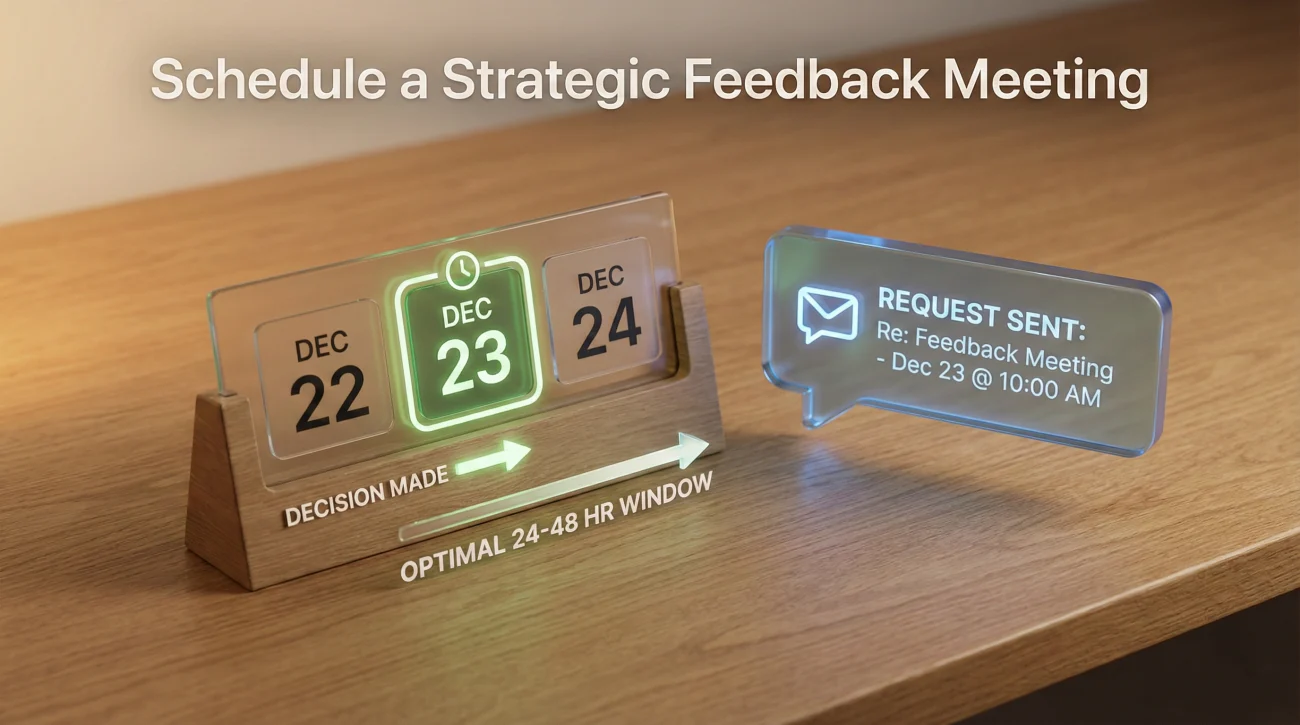
After your initial emotional reaction settles, you need information. Why weren’t you selected? What’s the gap? What needs to change?
How to Request the Meeting
Send a professional, brief request:
“Hi [Manager], I’d like to schedule 30 minutes to discuss the recent promotion decision and understand what I need to develop for future opportunities. Do you have time this week?”
This frames it as development-focused, not accusatory.
Timing Matters
Wait 24-48 hours after the announcement before requesting this meeting. This shows you’ve processed the news and are approaching it professionally.
But don’t wait more than a week – you want feedback while the decision is fresh.
Questions to Ask in the Meeting
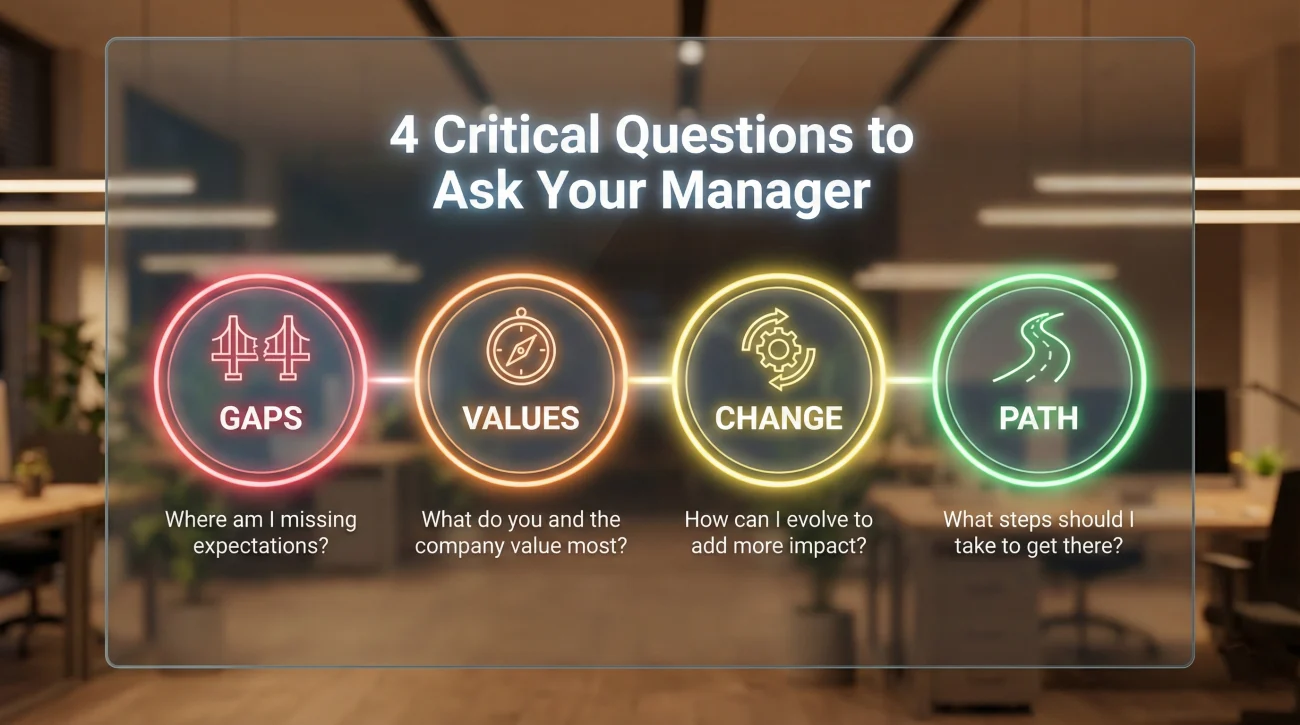
Come prepared with specific questions. This is about gathering information, not arguing about the decision.
Question 1: What Was the Gap?
“What specific gaps in my skills or performance led to the decision not to promote me?”
This is the most important question. You need concrete feedback, not vague reassurances.
Question 2: What Made the Difference?
“What did [person promoted] demonstrate that I haven’t yet shown?”
This reveals what leadership actually values, which may differ from what you assumed mattered.
Question 3: What Needs to Change?
“What would I need to do differently over the next 6-12 months to be considered for the next promotion opportunity?”
This gets you a roadmap forward instead of dwelling on the past.
Question 4: Is It Achievable Here?
“Do you see a realistic path for me to reach [target role] at this company?”
Sometimes the honest answer is no – there aren’t enough opportunities, or you’re not in the right role. Better to know now.
Listen Without Defending
When you get feedback, resist the urge to argue or explain why you disagree. Just listen and take notes.
You can process later whether the feedback is fair. In the meeting, focus on understanding their perspective.
If Feedback Is Vague
Push for specifics:
“When you say I need to ‘show more leadership,’ can you give me an example of what that would look like in practice?”
Generic feedback like “not ready yet” doesn’t help you improve.
Step 3: Create a “Recovery Plan”
After gathering feedback, create a specific action plan to address the gaps. This turns disappointment into data.
Document the Gaps
Based on your conversation, write down:
- Specific skills or experiences you lack
- Behavioral changes leadership wants to see
- Projects or accomplishments that would demonstrate readiness
- Timeline for reassessment
Build a 3-6 Month Action Plan
Create concrete steps:
Gap: “Need to demonstrate strategic thinking”
Actions:
• Lead the Q2 planning process for our team
• Present strategy recommendations to senior leadership
• Shadow [senior leader] in strategic planning meetings
• Read 3 books on strategic thinking and apply frameworks
Timeline: Reassess progress in June
Make it specific and measurable.
Share It with Your Manager
After creating your plan, share it:
“Based on our conversation, I’ve created this development plan to address the gaps we discussed. Does this align with what you’d expect to see?”
This shows you’re serious about improvement and creates accountability.
Execute Visibly
Don’t just create the plan – execute it and share progress regularly with your manager. Make your improvement visible.
For more career development strategies, explore our professional growth guide.
Step 4: Decide – Stay or Go?
After implementing your plan for 3-6 months, evaluate whether staying makes sense.

Signs You Should Stay
- Your manager gave specific, actionable feedback
- You’re seeing progress on addressing the gaps
- Leadership acknowledges your improvement
- Another promotion opportunity exists in realistic timeframe
- The feedback was fair and you agree with it
- You still believe in the company and your team
Signs You Should Leave
- Feedback was vague or contradictory
- No clear path to promotion exists at the company
- Politics, not performance, drove the decision
- You’ve addressed the gaps but still aren’t promoted
- The company promotes less qualified people repeatedly
- You’ve lost trust in leadership or the organization
Give It a Fair Chance
Don’t leave immediately out of frustration. Give yourself 3-6 months to implement your plan and see if things improve.
But don’t stay indefinitely hoping things change without evidence they will.
If You Decide to Leave
Start your job search professionally:
- Update your resume highlighting accomplishments
- Reach out to your network
- Interview at companies where you can get the role you want
- Don’t tell anyone at work until you have an offer
- Leave professionally without burning bridges
Sometimes the best response to being passed over is finding a company that values you properly.
Common Reasons People Get Passed Over
Understanding common reasons helps you identify what might apply to you.
Not Actually Ready
Sometimes the hard truth: you weren’t as qualified as you thought. The other person had skills, experience, or demonstrated capabilities you lacked.
If this is the case, the feedback should make it clear what the gaps are.
Low Visibility
You did great work, but decision-makers didn’t know about it. The other person was better at making their contributions visible.
This is fixable – share your work more proactively going forward.
Internal Politics
The other person had a sponsor or advocate in leadership. You didn’t. Or they were in the “right” team, knew the “right” people, or fit a specific strategic need.
This is frustrating but common. Building executive relationships matters for advancement.
Wrong Timing
Budget constraints, organizational changes, or shifts in priorities affected the decision. Nothing wrong with you – circumstances changed.
If this is the reason, ask when the next opportunity might realistically emerge.
Culture Fit Concerns
Leadership has concerns about how you’ll operate at the next level – communication style, decision-making approach, or ability to influence without authority.
This feedback is often vague but points to “soft skills” development needs.
FAQ
Turn Disappointment Into Data
Getting passed over for a promotion hurts. The disappointment is real and valid. But how you respond determines whether this becomes a career setback or a growth opportunity.
The four-step process: stay professional immediately even though it’s hard, schedule a meeting to understand why, create a specific action plan to address gaps, and decide after 3-6 months whether staying or leaving makes sense.
Respond gracefully in the moment by congratulating the person promoted and not venting to coworkers. Then gather information through strategic questions about gaps, differences, and paths forward.
Use the feedback to create a concrete development plan with measurable actions and timelines. Share it with your manager and execute it visibly. After several months, evaluate whether you’re making progress and whether promotion is realistically achievable.
Sometimes the answer is to stay and keep developing. Sometimes it’s to find a company that values your contributions properly. Either choice is valid – just make it based on data and strategy, not emotion.
Remember: one setback doesn’t define your career. How you respond to it might.
For additional career navigation resources, check out our comprehensive career guide.