

- The situation: You got promoted and now manage former peers, which changes trust, friendships, and power dynamics overnight.
- First move: Acknowledge the awkwardness early in the team meeting and in 1 on 1s so resentment and confusion do not fester.
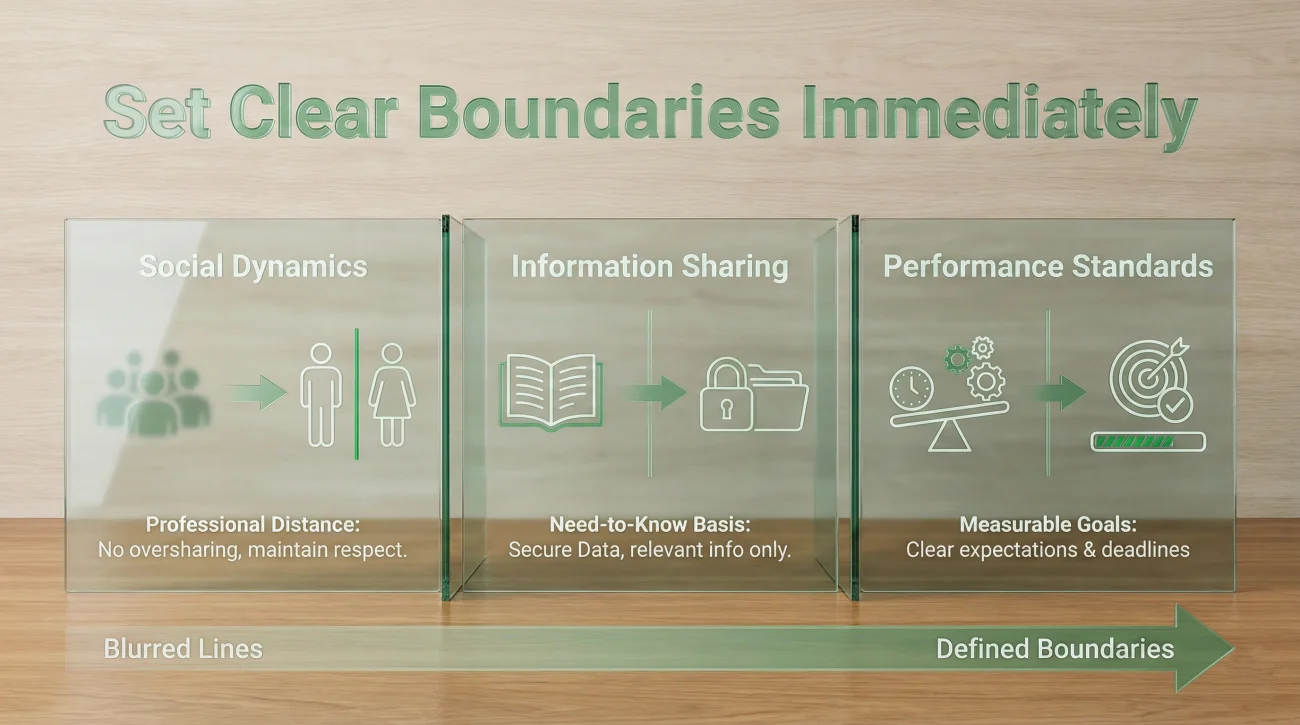
- New boundaries: Stop venting, avoid favoritism, tighten social behavior, and hold firm on confidential information without apologizing.
- Leadership style: Stay collaborative, do not overhaul everything fast, do not micromanage, and admit mistakes to build credibility.
- Earn respect: Ask for input, act on feedback, remove blockers, give credit publicly, and take responsibility when the team misses.
The Most Awkward Workplace Transition
You got promoted. Congratulations. But there’s a complication: you’re now managing people who were your peers last week. Maybe even your friends.
Yesterday you complained about management decisions together over lunch. You vented about workload in Slack. You were equals navigating the same frustrations.
Today you are management. You make decisions they might disagree with. You know information you can’t share. You evaluate their performance and determine their raises.
This transition is awkward for everyone. Former peers may feel resentful, especially if they also wanted the promotion. Friendships become complicated by power dynamics. Trust gets tested when you have to give critical feedback or make unpopular decisions.
Here’s how to navigate this difficult transition while maintaining relationships and earning respect as a manager.
Tip 1: Address the Elephant (Acknowledge the Awkwardness)
Don’t pretend nothing has changed. The power dynamic shifted fundamentally. Acknowledging this openly reduces tension.
In Your First Team Meeting
Address it with everyone:
“I know this transition is weird. Last week I was your peer, now I’m your manager. I’m still figuring out how to do this well, and I want to maintain the good working relationships we’ve built while also being clear about my new responsibilities.”
This transparency shows you’re aware of the awkwardness and aren’t going to ignore it.
In Individual 1-on-1s
Have private conversations with each former peer:
“I wanted to talk directly about this transition. I value our working relationship and want to make sure we can navigate the new dynamic successfully. How are you feeling about the change?”
Give them space to share concerns or frustrations.
Listen to Concerns
If someone expresses disappointment about not getting the promotion, acknowledge it:
“I understand this is disappointing. I want to make sure I support your development and that there’s a clear path forward for you on this team.”
Don’t dismiss their feelings or get defensive.
For comprehensive new manager strategies, see our complete career guide.
Tip 2: Set Boundaries Immediately
Some things have to change. Establish new boundaries quickly and consistently.
No More Venting Sessions
You can’t participate in complaining about leadership anymore – you are leadership now.
If former peers try to pull you into venting:
“I hear your frustration. As your manager now, I need to either help solve this or explain the context behind the decision. But I can’t just commiserate like I used to.”
This redirects unproductive venting toward constructive problem-solving.
Avoid Even the Appearance of Favoritism
If you have close friends on the team, you need to be extra careful:
- Don’t give them special treatment or easier assignments
- Don’t share information with them before others
- Don’t socialize exclusively with certain team members
- Hold them to the same standards as everyone else
If anything, hold close friends to slightly higher standards to avoid perceptions of favoritism.
Adjust Social Dynamics
After-work social events may need boundaries:
- You can still socialize, but be mindful of what you say
- Avoid situations where you’re drunk or overly casual
- Don’t share confidential information even in social settings
- Recognize that some friendships may need more distance
This doesn’t mean being cold – just being appropriate to the new dynamic.
Information Boundaries
You’ll know things you can’t share – salary information, strategic decisions, personnel issues. Be clear about this:
“I can’t share details about that, but I can explain the thinking behind the decision we made.”
Don’t apologize for having information boundaries – it’s part of the role.
Tip 3: Don’t Become a Dictator (Avoid Power Tripping)
Some new managers overcompensate by becoming overly authoritative. Don’t do this.

Stay Collaborative
You have decision-making authority now, but that doesn’t mean you stop listening to input:
- Ask for team perspectives before making decisions
- Explain the reasoning behind choices
- Be open to being wrong and adjusting course
- Give credit for good ideas regardless of who suggests them
Authority doesn’t require authoritarianism.
Don’t Change Everything Immediately
New managers often want to prove themselves by implementing changes. Resist this urge initially.
Spend your first 30-60 days observing and understanding before making big changes. Former peers will resent sudden overhauls from someone who “just got promoted.”
Don’t Micromanage
You know everyone’s capabilities from working alongside them. Trust that competence:
“I know you can handle this. Let me know if you need anything, otherwise I trust you to own it.”
Micromanaging former peers is especially insulting because you know they’re capable.
Admit Your Mistakes
You will make management mistakes. Own them:
“I should have communicated that decision differently. Here’s what I’ll do better next time.”
Humility builds respect faster than pretending to be perfect.
Tip 4: Ask for Their Input
You’re new to managing. They know the team and work well. Use that knowledge.

How to Ask
In 1-on-1s, be genuinely curious:
“What’s the best way I can support you as your manager?”
“What’s one thing the team needs that I should prioritize?”
“What should I keep doing from how things worked before? What should change?”
This shows you value their perspective and aren’t assuming you know everything.
Make It Safe to Give You Feedback
Former peers may be reluctant to criticize you now that you’re their boss. Create explicit permission:
“I’m still learning this role. If I’m doing something that isn’t working, please tell me directly. I need that feedback to improve.”
Then actually thank people when they give you critical feedback.
Act on Their Input
If multiple people suggest the same thing, implement it and acknowledge them:
“Several of you mentioned that our weekly meetings weren’t productive. I’m changing the format based on your feedback.”
This shows you listen and respond to input.
For more management relationship strategies, explore our leadership development guide.
The fastest way to earn respect from former peers: help the team succeed collectively.

Remove Blockers
Use your new authority to solve problems that frustrated everyone as individual contributors:
- Get budget for tools the team needs
- Shield the team from unreasonable requests
- Advocate for resources and support
- Clear organizational roadblocks
Former peers will appreciate you using your position to make their work easier.
Give Credit Publicly
When the team succeeds, credit them explicitly:
“This project succeeded because Sarah’s design work was exceptional and the engineering team executed flawlessly. They did the hard work.”
Don’t take credit for your team’s accomplishments.
Take Responsibility for Failures
When things go wrong, protect your team publicly and coach privately:
To leadership:
“The deadline was missed because I didn’t prioritize the dependencies correctly. I’m working with the team to prevent this going forward.”
Then privately with the team member who made the actual mistake, provide constructive feedback.
Establish Clear Shared Goals
Unite the team around common objectives:
“Our goal this quarter is to reduce customer support tickets by 30%. Everything we do should contribute to that.”
Shared goals shift focus from relationship dynamics to collective success.
Handling Difficult Situations
If Someone Undermines You
Some former peers may test boundaries or undermine your authority. Address it directly and privately:
“I noticed you disagreed with my decision publicly in the meeting. If you have concerns, I want to hear them, but we need to discuss them privately first. Can we align on how we handle disagreements going forward?”
If a Friendship Becomes Strained
Some friendships won’t survive the transition. Acknowledge it:
“I value our friendship, but I understand if the new dynamic makes that complicated. I want to make sure we have a good professional relationship even if our personal friendship changes.”
If Someone Clearly Resents You
Have a direct conversation:
“I sense some tension since my promotion. I want to address it directly. What’s on your mind?”
Sometimes clearing the air helps. Sometimes the person needs to move to a different team or company.
When You Have to Give Critical Feedback
This is hardest with friends. Be direct but kind:
“This is awkward given our relationship, but I need to give you feedback on [specific issue]. Here’s what I’ve observed and what needs to change.”
Avoiding difficult conversations because of past friendship hurts both of you.
FAQ
You’re Not Their Friend Anymore – You’re Their Boss
This is the hardest truth about managing former peers: the relationship fundamentally changed. You’re no longer equals navigating workplace frustrations together. You’re now responsible for their development, evaluation, and success.
The five strategies help navigate this transition: acknowledge the awkwardness openly, set clear boundaries immediately, avoid becoming a dictator, ask for their input and feedback, and focus on achieving team wins together.
Some friendships will survive with adjusted boundaries. Others won’t. Some former peers will support your promotion; others will resent it. These outcomes aren’t entirely within your control.
What you can control: being fair, transparent, supportive, and focused on team success. Hold everyone to the same standards, give credit generously, take responsibility for failures, and use your authority to remove obstacles.
The transition takes time – give it 3-6 months before evaluating whether it’s working. Be patient with yourself and the team as everyone adjusts to the new dynamic.
Remember: you were promoted because leadership believed you could do this job. Trust that judgment while staying humble enough to learn from mistakes.
For additional management transition resources, check out our comprehensive career guide.