
- Two scenarios: Email for distributed teams, Meeting intro for in person, both use the same core elements.
- The winning formula: Past, Present, Future, Personal, so you sound clear, memorable, and not robotic.
- Email approach: 150 to 200 words with one relevant achievement, what you will own now, and one light personal detail.
- Meeting approach: 30 to 60 seconds, same structure but tighter, end with what you are excited to collaborate on.
- Mistakes to avoid: Too long, Too humble or too braggy, Too generic, Nervous or negative opener, Weird personal detail.
Two Scenarios: Email or Meeting
You’re starting a new job and need to introduce yourself to your team. This happens one of two ways: via email to a distributed team, or in person during a team meeting.
Both scenarios require the same core elements, just delivered differently. The email version is written and can be more detailed. The in-person version needs to be concise – 30-60 seconds maximum.
The worst introductions are either too long and boring, or too short and forgettable. The best ones follow a simple formula that balances professional background with personality.
The Introduction Formula That Works
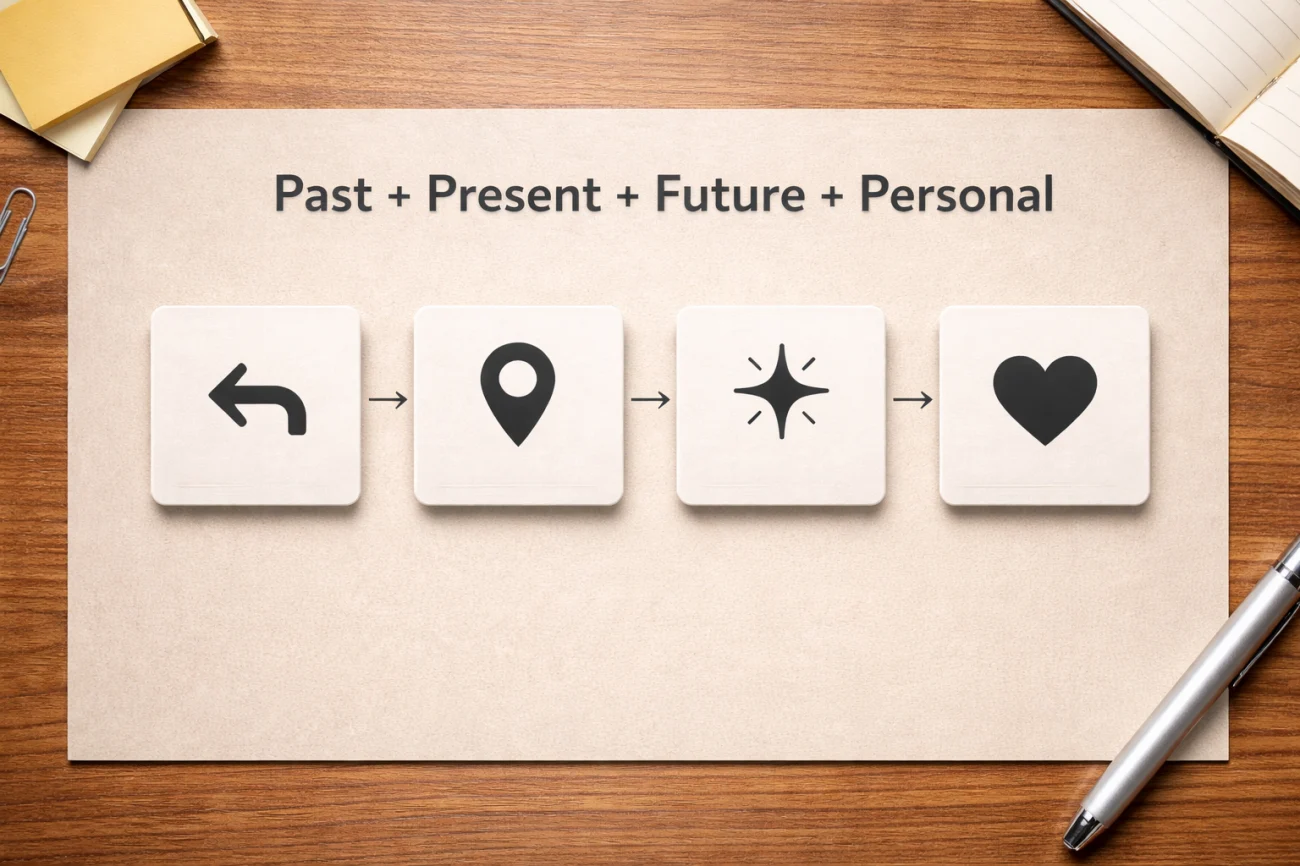
Structure your introduction using this framework: Past + Present + Future + Personal
Breaking Down Each Component
Past (Where you came from):
- Brief mention of your background
- Previous role or company (if relevant)
- 1-2 sentences maximum
Present (Your new role):
- What you’ll be doing
- Your position and responsibilities
- What team or area you’re joining
Future (What you’re looking forward to):
- Excitement about specific projects or goals
- What you hope to contribute
- Eagerness to collaborate
Personal (One human detail):
- A hobby, interest, or fun fact
- Something people can connect with
- Keeps it from being purely transactional
This structure works because it’s logical, comprehensive without being long, and gives people multiple hooks to remember you by.
For comprehensive onboarding communication strategies, see our complete new job guide.
Email Template for Team Introduction
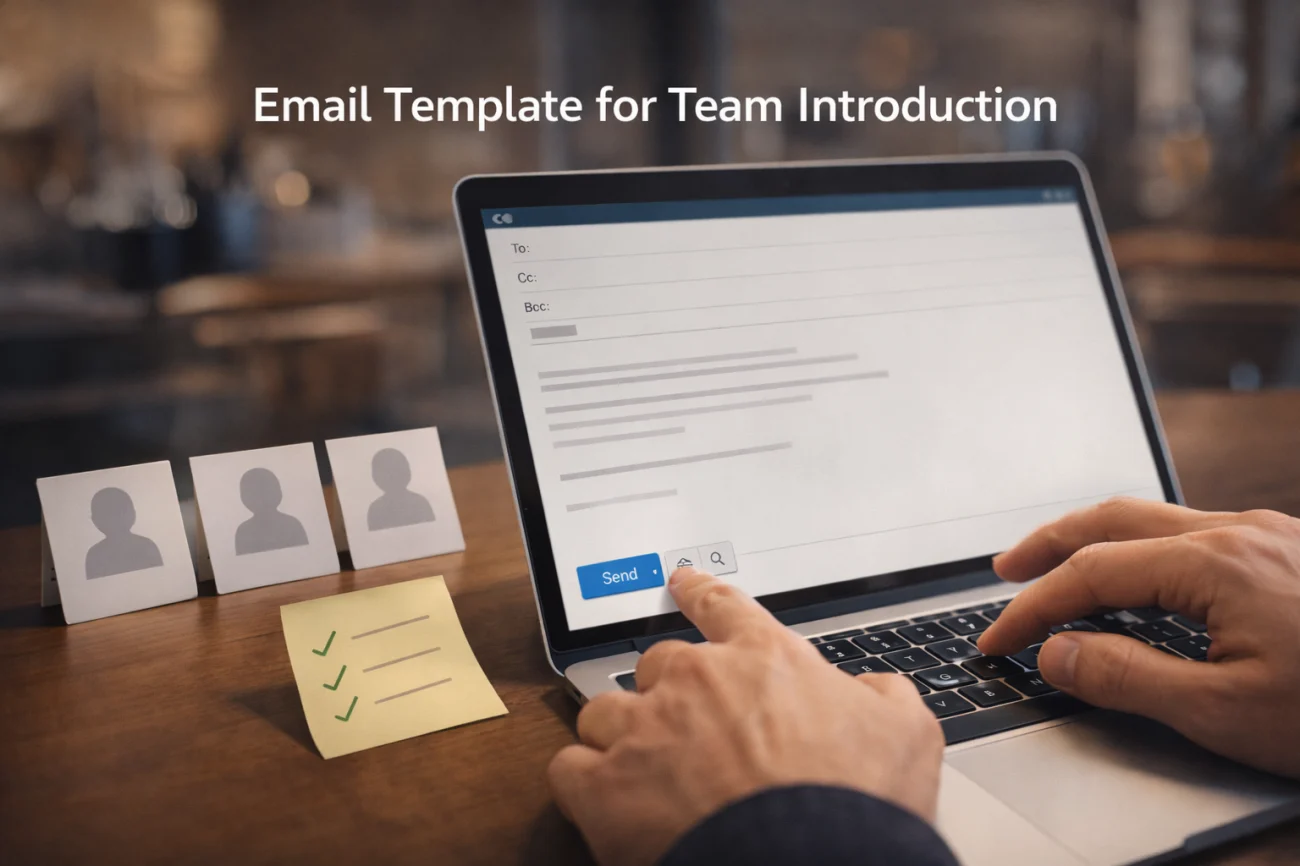
Use this template when introducing yourself via email to a distributed team or company-wide.
Professional Template
Subject: Excited to join the team!
Hi everyone,
I’m [Your Name], and I’m thrilled to be joining [Company] as [Your Role] on the [Team Name] team.
A bit about me: I come from [Previous Company/Industry] where I spent [X years] working on [brief description of relevant work]. Most recently, I [specific relevant achievement or responsibility].
In my new role, I’ll be focusing on [your main responsibilities]. I’m particularly excited about [specific project, goal, or aspect of the role], and I’m looking forward to collaborating with all of you.
On a personal note, [one interesting hobby or fact about you]. Always happy to chat about [related interest] if anyone shares that passion!
I’m still getting up to speed, so please don’t hesitate to reach out if you have tips, advice, or just want to connect. Looking forward to working with you all.
Best,
[Your Name]
Real Examples
Example 1: Software Engineer
Hi everyone,
I’m Alex Chen, and I’m excited to join the Engineering team as a Backend Engineer starting Monday.
I come from a fintech startup where I spent 3 years building payment processing systems. Most recently, I led the migration of our API to microservices, which reduced response times by 40%.
In my new role, I’ll be working on the platform infrastructure team, focusing on scaling our data pipeline. I’m particularly excited about the real-time analytics projects I’ve heard about and can’t wait to dig in.
On a personal note, I’m a coffee enthusiast (some might say snob) and love trying new brewing methods. Always happy to debate pour-over vs. French press!
Looking forward to meeting everyone and learning the ropes. Feel free to reach out anytime.
Best,
Alex
Example 2: Marketing Manager
Hi team,
I’m Sarah Johnson, joining as the Senior Marketing Manager for the Growth team this week.
I’m coming from the B2B SaaS world, where I spent 5 years at [Company] building content marketing programs. We grew organic traffic from 20K to 200K monthly visitors through SEO and content strategy.
Here, I’ll be focused on driving awareness and demand generation for our enterprise segment. Really excited to work on the upcoming product launch and build out our content engine.
Personally, I’m an avid hiker and recently completed the John Muir Trail. If anyone wants trail recommendations or hiking buddies, I’m your person!
Can’t wait to meet everyone and get started. Please feel free to grab time on my calendar – I’d love to learn about what you’re working on.
Best,
Sarah
Example 3: Product Manager
Hey everyone,
I’m David Park, and I’m thrilled to be joining as a Product Manager on the Marketplace team.
I’m coming from the e-commerce space, where I spent 4 years at [Company] working on seller tools and marketplace features. Most recently launched a rating system that increased buyer trust scores by 25%.
In this role, I’ll be working on improving the search and discovery experience. I’m really excited about the data-driven approach to product development here and looking forward to collaborating with engineering, design, and analytics.
Outside work, I’m a mediocre tennis player but an enthusiastic one. Always looking for hitting partners if anyone plays!
Looking forward to getting to know you all. Don’t hesitate to reach out with questions, advice, or just to say hi.
Cheers,
David
For more communication templates, explore our professional communication guide.
In-Person Introduction (30-Second Version)
When introducing yourself in a team meeting, keep it brief. People’s attention spans are short, and you don’t want to dominate the meeting.

30-Second Template
“Hi everyone, I’m [Name]. I’m joining as [Role] on [Team].
I come from [Previous Company/Background] where I worked on [brief relevant experience].
I’ll be focusing on [your main responsibility], and I’m really excited about [specific thing you’re looking forward to].
Outside work, [one interesting personal detail].
Looking forward to working with all of you!”
Real Examples
Example 1: Data Analyst
“Hi everyone, I’m Jessica Martinez, joining as a Data Analyst on the Product team.
I come from retail analytics where I spent 3 years building customer segmentation models.
I’ll be working on improving our A/B testing framework and helping teams make more data-driven decisions. Really excited to dig into the user behavior data.
Outside work, I’m training for my first marathon – any fellow runners here?
Looking forward to getting to know you all!”
Example 2: Sales Representative
“Hey team, I’m Michael Lee, the new Enterprise Account Executive.
I’m coming from the SaaS world where I spent 5 years selling marketing automation tools to mid-market companies.
I’ll be focused on growing our enterprise accounts in the West region. Excited to learn from this team – I’ve heard great things about the culture here.
Personally, I’m a huge NBA fan and play pickup basketball on weekends. Always looking for new people to play with!
Can’t wait to get started!”
Delivery Tips
- Make eye contact with different people as you speak
- Smile – it makes you seem approachable
- Speak at a normal pace (nervous people rush)
- Keep it under 60 seconds maximum
- End on a positive, forward-looking note
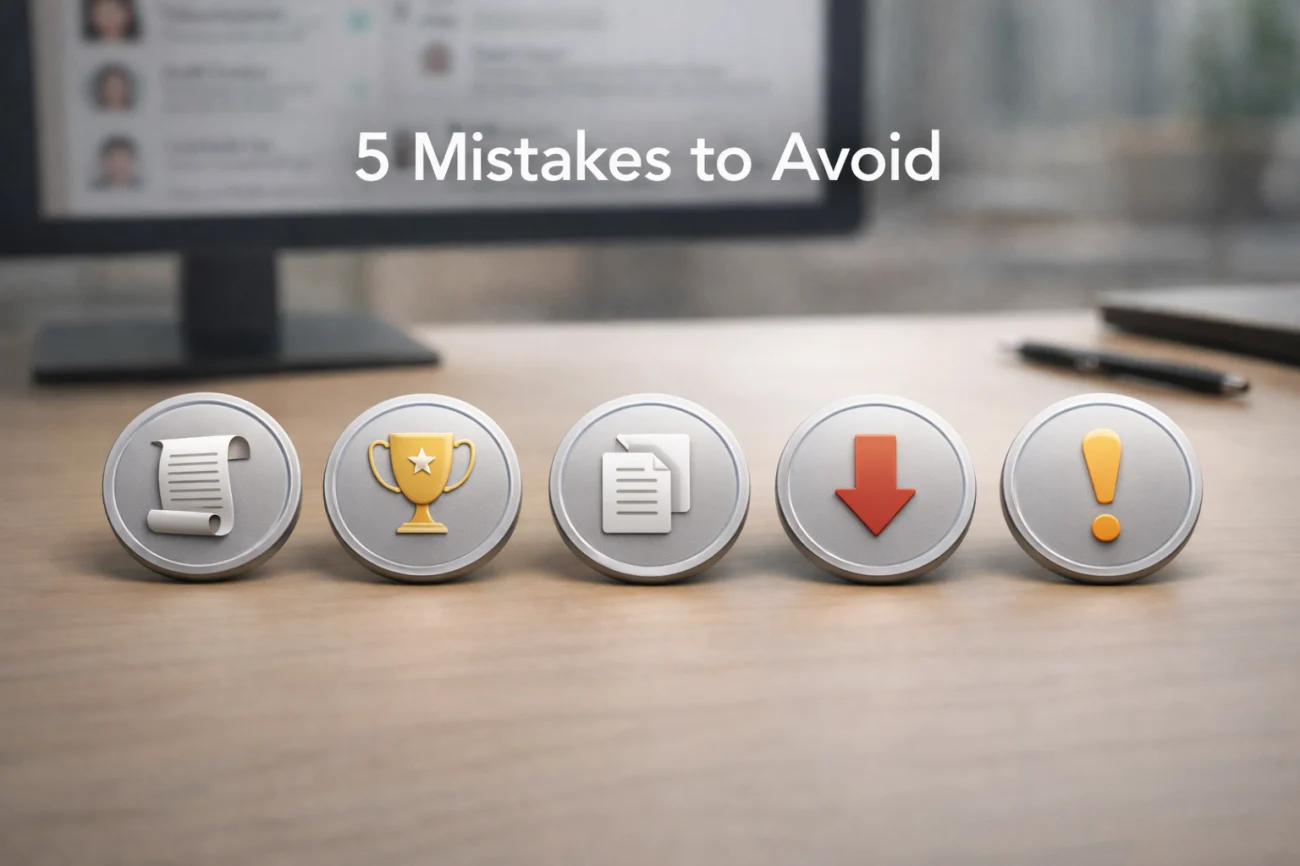
5 Mistakes to Avoid
1. Making It Too Long
Don’t write a novel about your background. People don’t need your life story – just enough to understand who you are and what you’ll be doing.
Too long: Paragraph after paragraph about every role you’ve had, every school you attended, and every hobby you enjoy.
Right length: Email: 150-200 words. In-person: 30-60 seconds.
2. Being Too Humble or Too Braggy
Don’t downplay your experience: “I’m just a junior developer, still learning everything…”
But also don’t oversell: “I’m an expert in Python, React, AWS, machine learning, blockchain…” (nobody is an expert in everything).
Hit the middle: acknowledge your experience confidently without overstating it.
3. Being Too Generic
“I’m a hard worker who loves learning and is excited to contribute to the team’s success.”
This says nothing. Be specific about what you did, what you’ll do, and what you’re actually interested in.
4. Starting With Negative or Nervous Energy
Avoid:
- “I’m a little nervous to be here…”
- “I hope I don’t mess this up…”
- “I’m not sure I’m qualified but…”
Start confident: “I’m excited to join…” “I’m looking forward to…” “I’m thrilled to be here…”
5. Making the Personal Detail Weird
The personal touch should be relatable, not polarizing or TMI:
- ❌ “I’m obsessed with true crime podcasts and serial killers”
- ❌ “I spend all my free time arguing politics online”
- ❌ “I’m going through a divorce”
- ✅ “I love trying new restaurants and food spots”
- ✅ “I’m teaching myself guitar”
- ✅ “I’m a terrible but enthusiastic golfer”
Keep it light, positive, and easy to connect with.
FAQ
Keep It Short, Friendly, and Confident
Your introduction sets the tone for how people perceive you. Get it right and you’re memorable in a positive way. Get it wrong and you’re either forgettable or memorable for the wrong reasons.
The formula works: Past + Present + Future + Personal. This structure gives people enough context about who you are, what you’ll be doing, and something personal to connect with – all without being too long or generic.
Whether you’re writing an email or speaking in a meeting, keep it brief, specific, and confident. Aim for 150-200 words in email, 30-60 seconds in person.
Avoid the common mistakes: don’t be too long, don’t be overly humble or braggy, don’t be generic, don’t lead with nervous energy, and don’t make your personal detail weird.
Your introduction is your first impression. Make it count, then back it up with solid work in your first weeks.
For additional new job resources, check out our comprehensive onboarding guide.