
- A modern resume template is defined by clarity and ATS readability: Clean hierarchy, standard headings, smart white space, simple fonts, and bullets that show results with numbers.
- Common template mistakes that trigger rejection are predictable: Two-column layouts, heavy graphics or charts, too much color, unusual fonts, and skipping the Notepad copy-paste test.
- Modern templates come in a few safe types: Minimalist modern for most roles, hybrid two-column only if your builder reliably converts it for ATS, plus subtle color accents and light icons used carefully.
- Modern templates work best in innovation-friendly fields: Tech, marketing, consulting, business, and startups, while conservative industries should stay with minimalist modern or traditional layouts.
- To get interviews, the build process matters more than the look: Start with an ATS-safe structure, write a tight summary, quantify achievements using STAR, mirror keywords naturally, and list modern tools relevant to your work.
Recruiters today are not only looking at what you say on your resume but also at how you present it. A modern resume template is designed to grab attention quickly, highlight your strengths, and stay friendly to Applicant Tracking Systems (ATS). Unlike traditional resumes that often look plain or outdated, modern templates balance design with functionality. They use clean lines, subtle colors, and thoughtful layouts to make your achievements easy to scan and remember. In this guide, we’ll explore what defines a modern resume template, why it matters, how to choose one that fits your career stage, and how to avoid mistakes that could hold you back.
What Defines a “Modern” Resume?
Modern resume templates are not about flashy graphics. Instead, they focus on clarity, balance, and strategic design. A successful modern resume is:
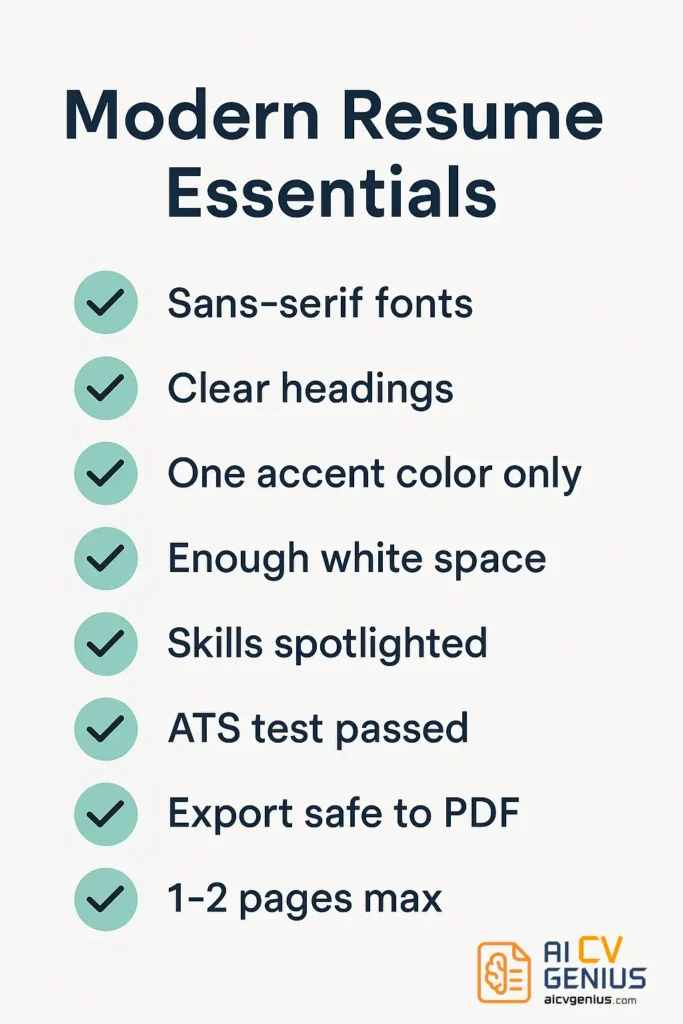
- ATS-Compliant First: The layout must be parsable by Applicant Tracking Systems. This means a clear, logical flow (often single-column) that software can read accurately.
- Structured & Scannable: Information is organized with clear, standard headings (e.g., “Experience,” “Education”). It uses white space effectively to guide the recruiter’s eye and prevent fatigue.
- Minimalist & Professional: The design is clean, with no clutter. It uses professional sans-serif fonts like Calibri, Helvetica, or Inter.
- Stylish but Simple: If color is used, it’s a single, subtle accent for headings or dividers, not for body text or backgrounds.
- Achievement-Focused: The layout provides ample space for bullet points that highlight quantified results (e.g., “Increased revenue by 15%”), not just lists of duties.
To make this process easier, many professionals now use a free resume builder without watermark or an AI resume builder for students to instantly create a layout that is both clean and ATS-safe.
Common Mistakes That Will Get You Rejected
Before choosing a template, be aware of these common pitfalls that can undermine your application:
- Choosing a Two-Column Layout: This is the most critical error. While visually appealing, most ATS robots cannot read two-column resumes correctly. They parse text left-to-right, top-to-bottom, jumbling your experience and skills into nonsense. (Caveat: This is only acceptable for creative roles where you are bypassing an ATS).
- Using Heavy Graphics or Charts: Skill bars, rating icons, and photos are unreadable by ATS and will cause your application to be filtered out.
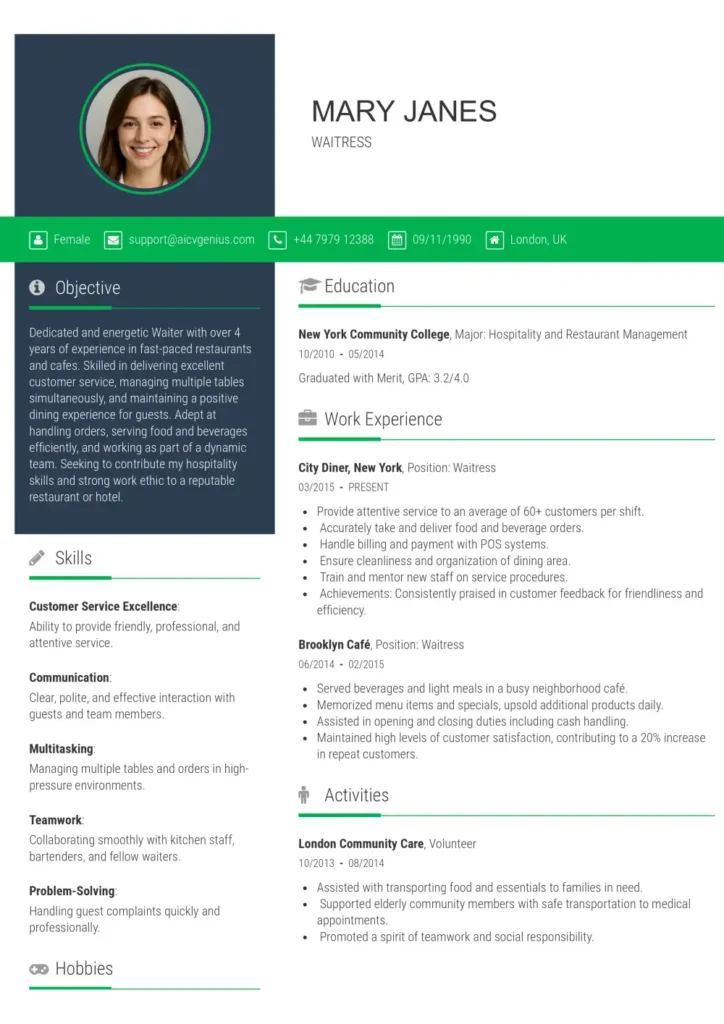
- Too Much Color: Bright backgrounds or multiple accent shades look unprofessional and can distract from your accomplishments.
- Unusual Fonts: Decorative or script fonts that aren’t standard on all systems may render as errors or jumbled text.
- No ATS Check: The biggest mistake is not testing. Always copy the text from your final PDF and paste it into a plain text editor (like Notepad). If the text is out of order, your resume is not ATS-friendly.
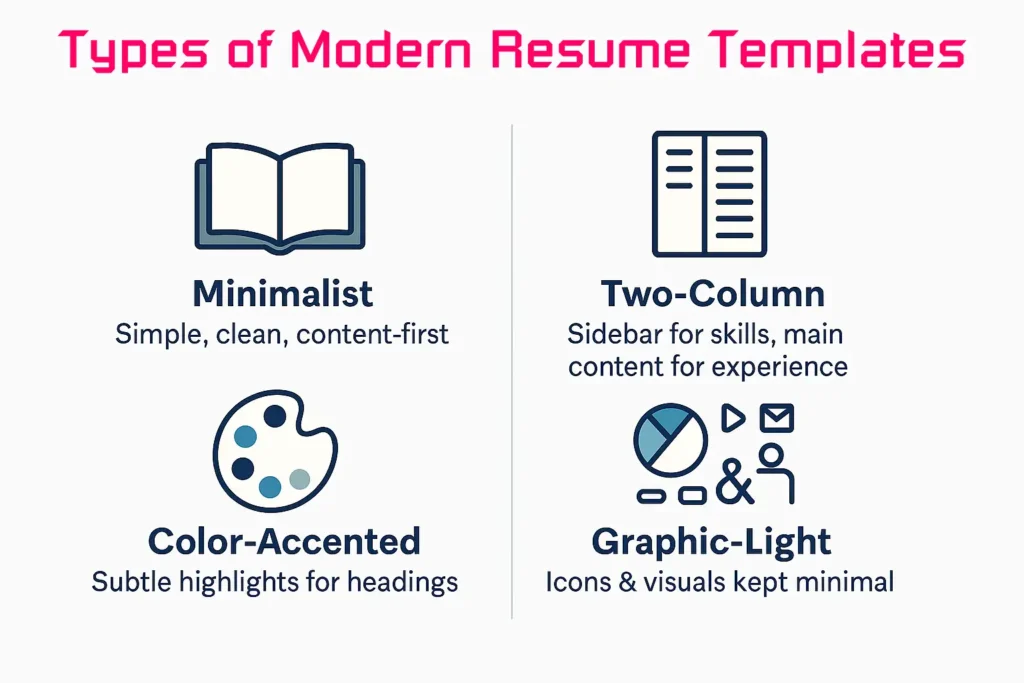
Types of Modern Resume Templates
Minimalist Modern (Recommended)
Clean, single-column layouts with almost no decoration. Perfect for all industries, especially finance, law, tech, and corporate roles where ATS compliance and clarity are the top priority.
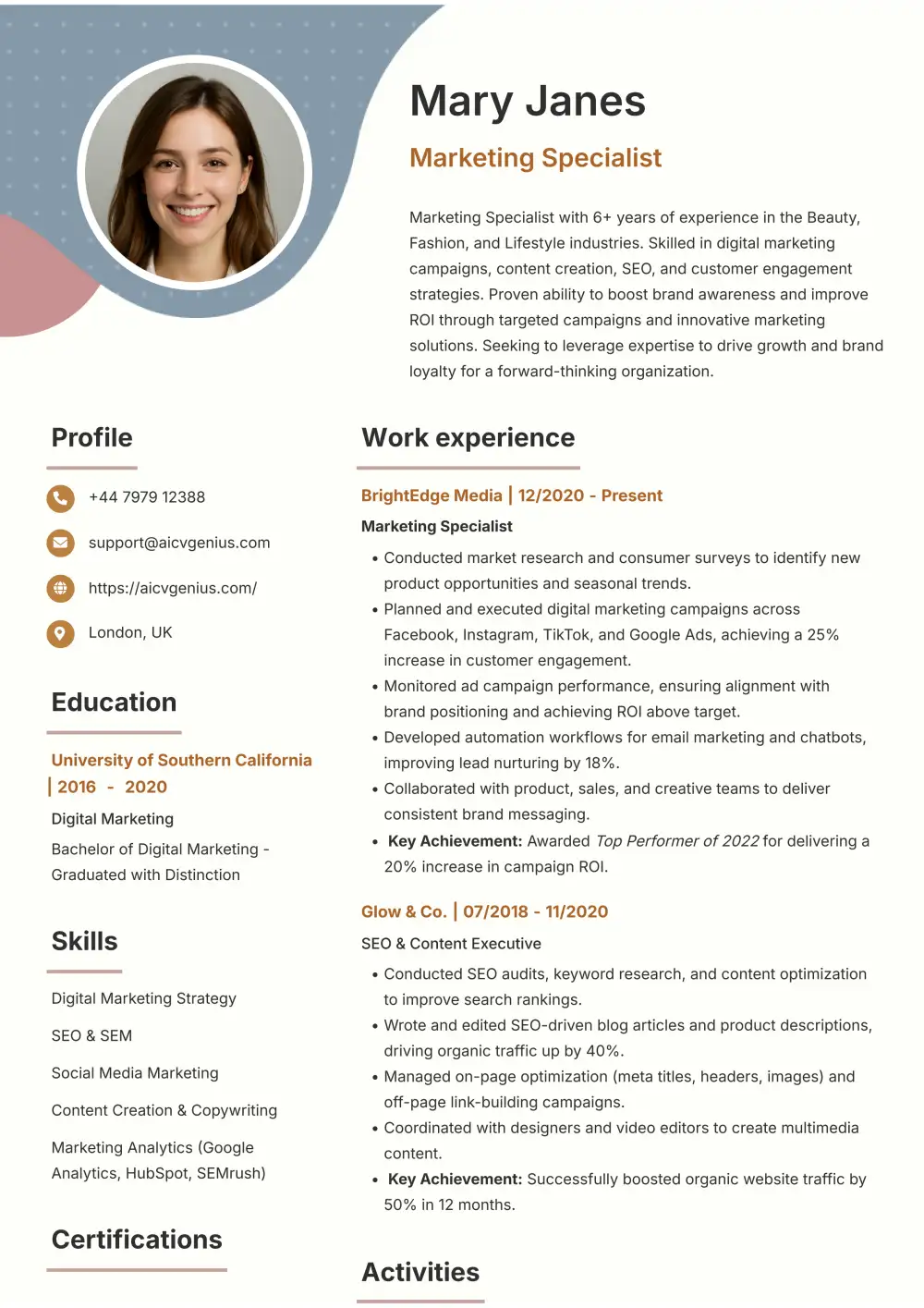
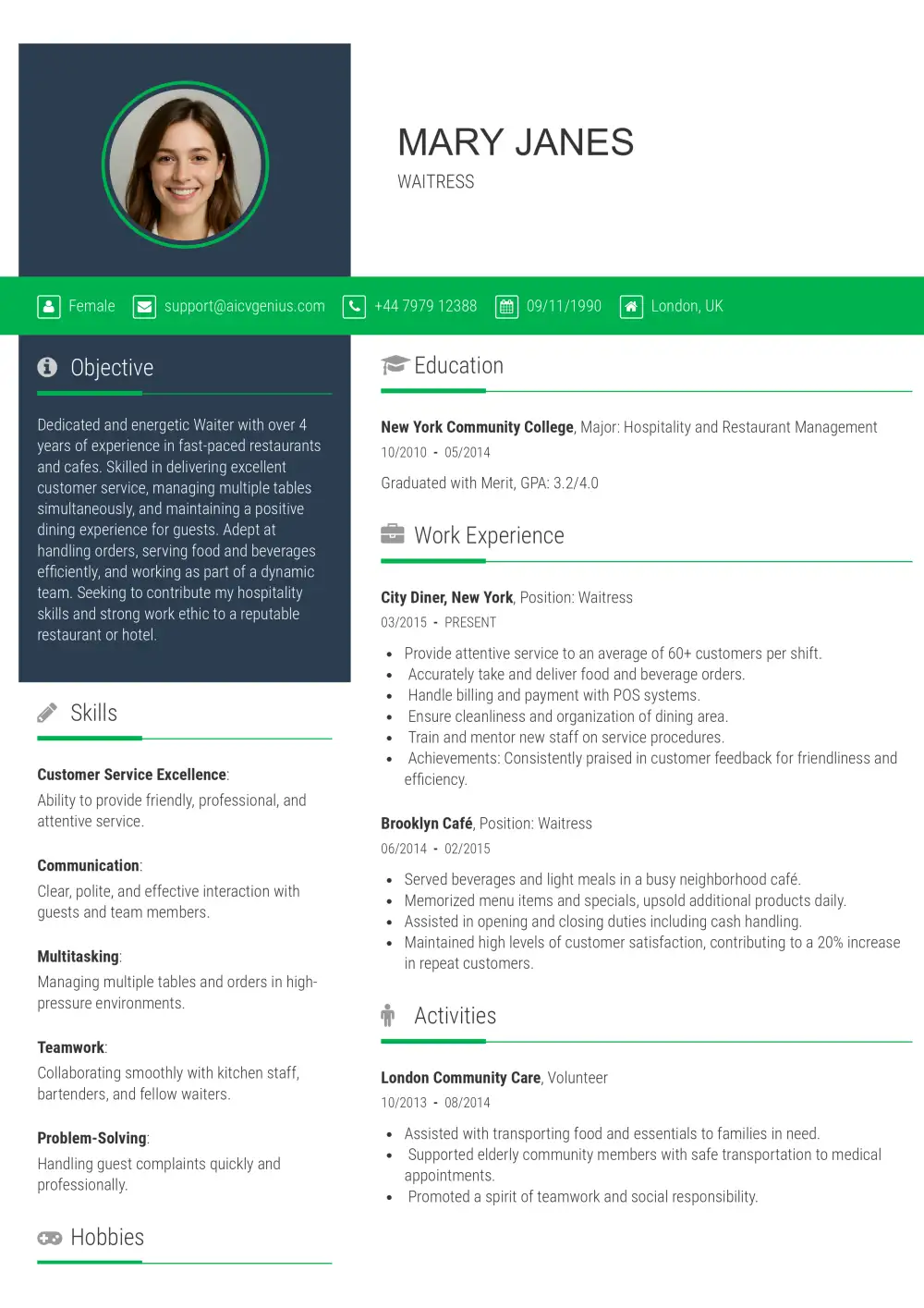
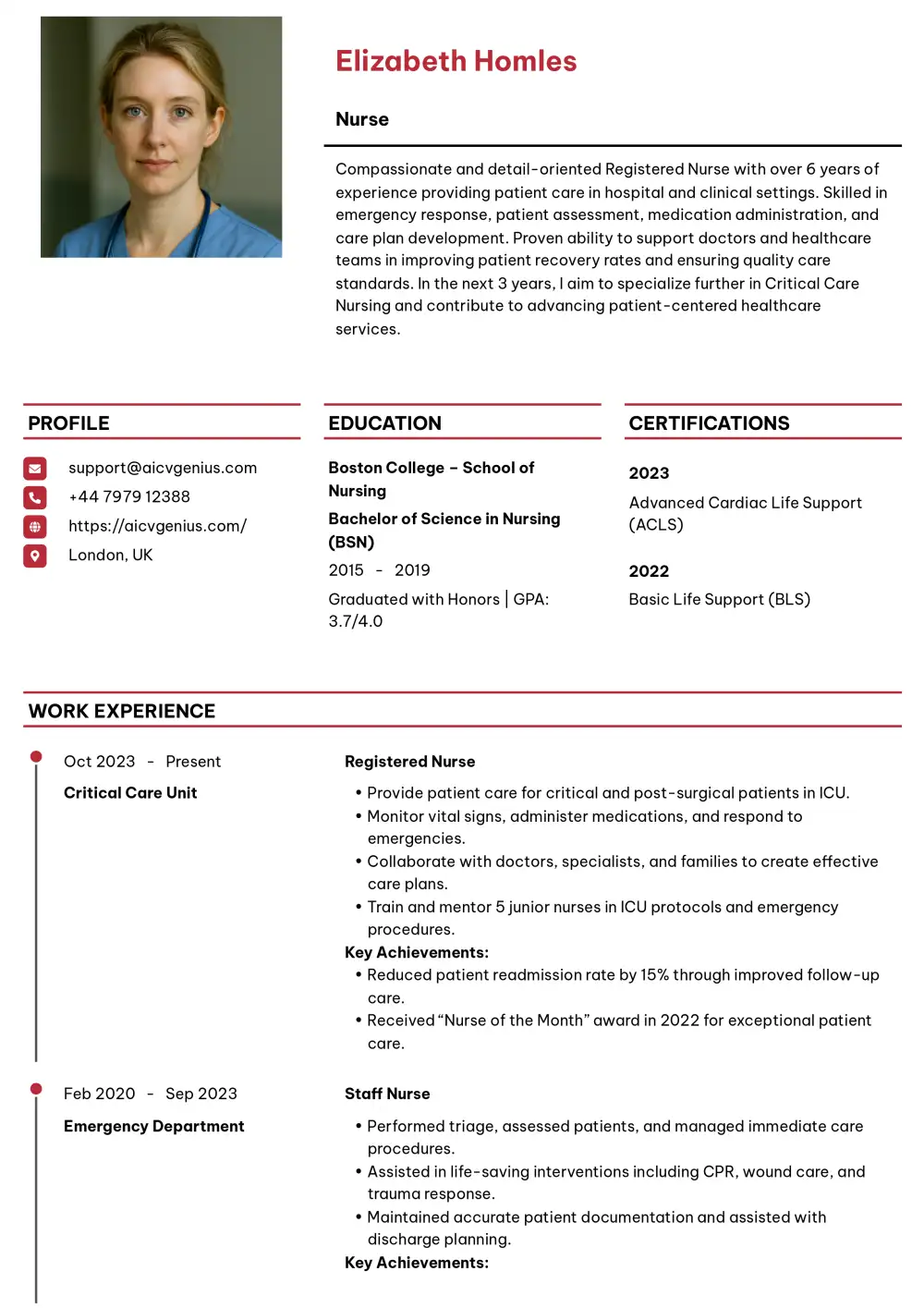
Hybrid (Two-Column) Layouts
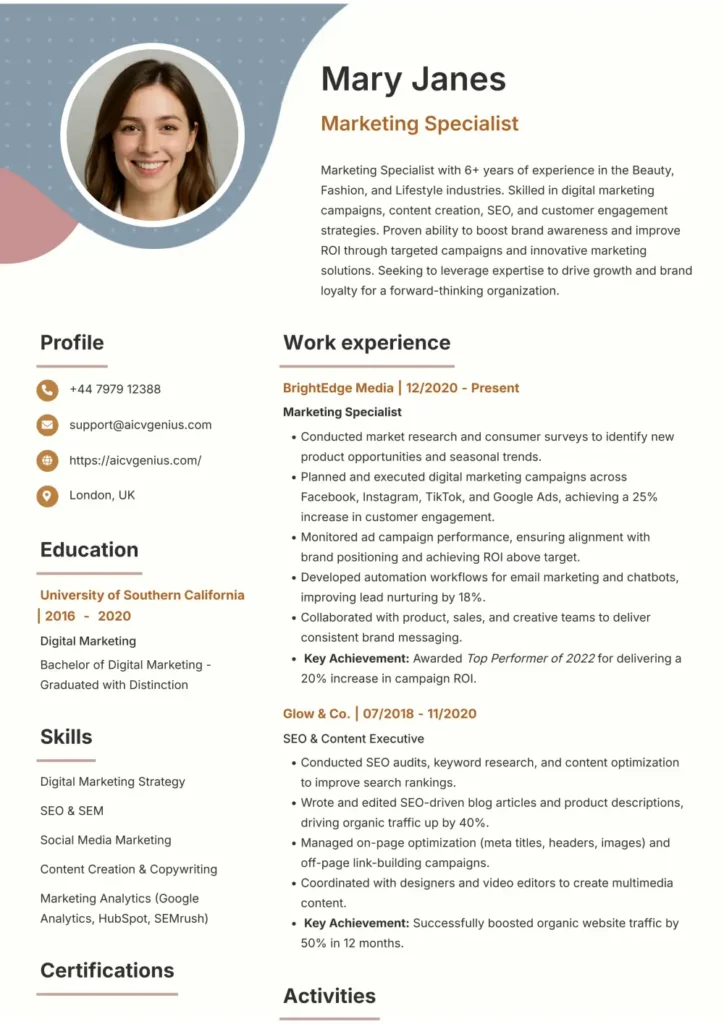
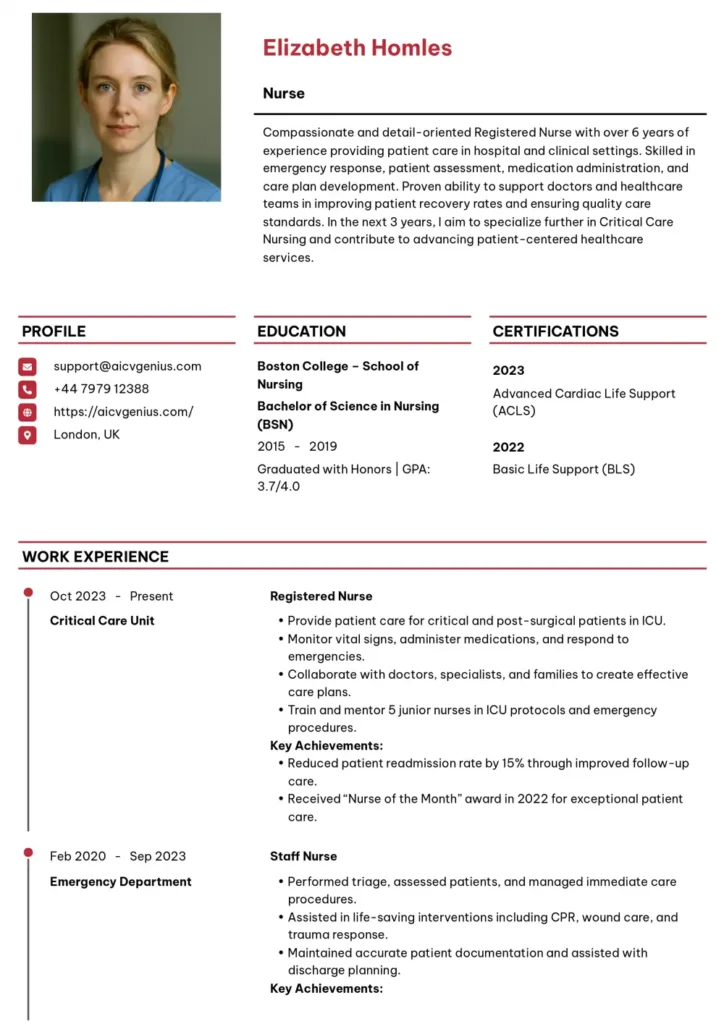
This popular design often features a narrow sidebar for contact info, skills, and certifications, while the main column lists work experience. While stylish, this layout carries a high risk of ATS failure. Only use a resume builder that works with ATS systems which guarantees the template will convert to a single-column format for robots.
Color-Accented Templates
These resumes use a single accent color – such as navy, teal, or burgundy – for section titles or the applicant’s name. They stand out just enough without overwhelming the reader or compromising professionalism.
Graphic-Light Templates
Templates that incorporate simple, standard icons for contact details (phone, email, LinkedIn). They add a touch of visual interest without sacrificing ATS compliance, as long as icons are not used for section headings or skills.
When to Use a Modern Resume Template
Modern resumes are effective in almost all industries that value innovation, communication, and adaptability. They work well in:
- ✅Technology: Software engineers, data analysts, IT specialists.
- ✅Marketing & Sales: Templates help highlight metrics-driven achievements and creative campaigns.
- ✅Consulting & Business: Professional but sleek layouts align with client-facing roles.
- ✅Startups: Employers appreciate resumes that combine creativity and substance.
That said, if you are applying for very conservative roles like government jobs or law firms, a “Minimalist Modern” or traditional template is the safest choice. Using an AI resume builder for professionals can help you adjust formatting quickly across different roles.
How to Build a Modern Resume That Gets Interviews
Follow these steps to craft a resume that blends modern design with effective content:
- Choose an ATS-Safe Structure: Start with a single-column or proven ATS-friendly hybrid template.
- Write a Powerful Summary: A 3-4 line “Professional Summary” at the top that highlights your role, years of experience, and 1-2 key quantified achievements.
- Quantify Your Achievements (STAR Method): This is the most critical step. Don’t list duties. List results. Each role should have 3-5 bullet points using the STAR method (Situation, Task, Action, Result).
- Instead of: “Responsible for managing social media.”
- Use: “Grew social media engagement by 40% in 6 months by launching a data-driven content strategy.”
- Include Keywords Naturally: Mirror the skills and terminology from the job description (e.g., “project management,” “data visualization”) in your skills and experience sections.
- Highlight Modern Skills: Include tools relevant to your industry, such as Slack, Asana, Tableau, Figma, or Python, to show you are up-to-date.
Case Studies: Success with Modern Templates
Case 1: Junior Software Engineer
David applied with a traditional, text-heavy Word resume and got no callbacks after 20 applications. He switched to a clean, single-column modern layout that created a distinct “Projects” section. This allowed him to showcase his GitHub portfolio and quantify his capstone project (“…processed 10,000+ data entries”). Within a month, he received five interview requests.
Case 2: Marketing Specialist
Sarah used a color-accented modern template to emphasize her campaign metrics. Her old resume listed duties; her new one highlighted results like, “Managed a $50K budget to generate 200+ MQLs” and “Grew organic blog traffic by 30%.” Recruiters commented on how easy it was to see her impact. She was invited to interview at three top firms.
Case 3: Senior Consultant
Michael had decades of experience, but his old resume was cluttered and two pages long. He adopted a minimalist modern template that used white space effectively to create a clear visual hierarchy. This condensed his leadership highlights onto a powerful one-page resume, and he successfully landed a new leadership role within weeks.
FAQs About Modern Resume Templates
Conclusion
A modern resume template is more than just a design choice – it is a way to present yourself as up-to-date, professional, and ready for the workplace. The best modern resumes balance clarity with visual appeal, prioritize ATS compatibility, and adapt to different industries. By choosing the right template, quantifying your achievements, and avoiding common mistakes like two-column layouts, you give yourself the best chance of landing interviews and moving forward in your career.