
- What changed: Networking still matters, it just happens through LinkedIn, Slack communities, webinars, and DMs.
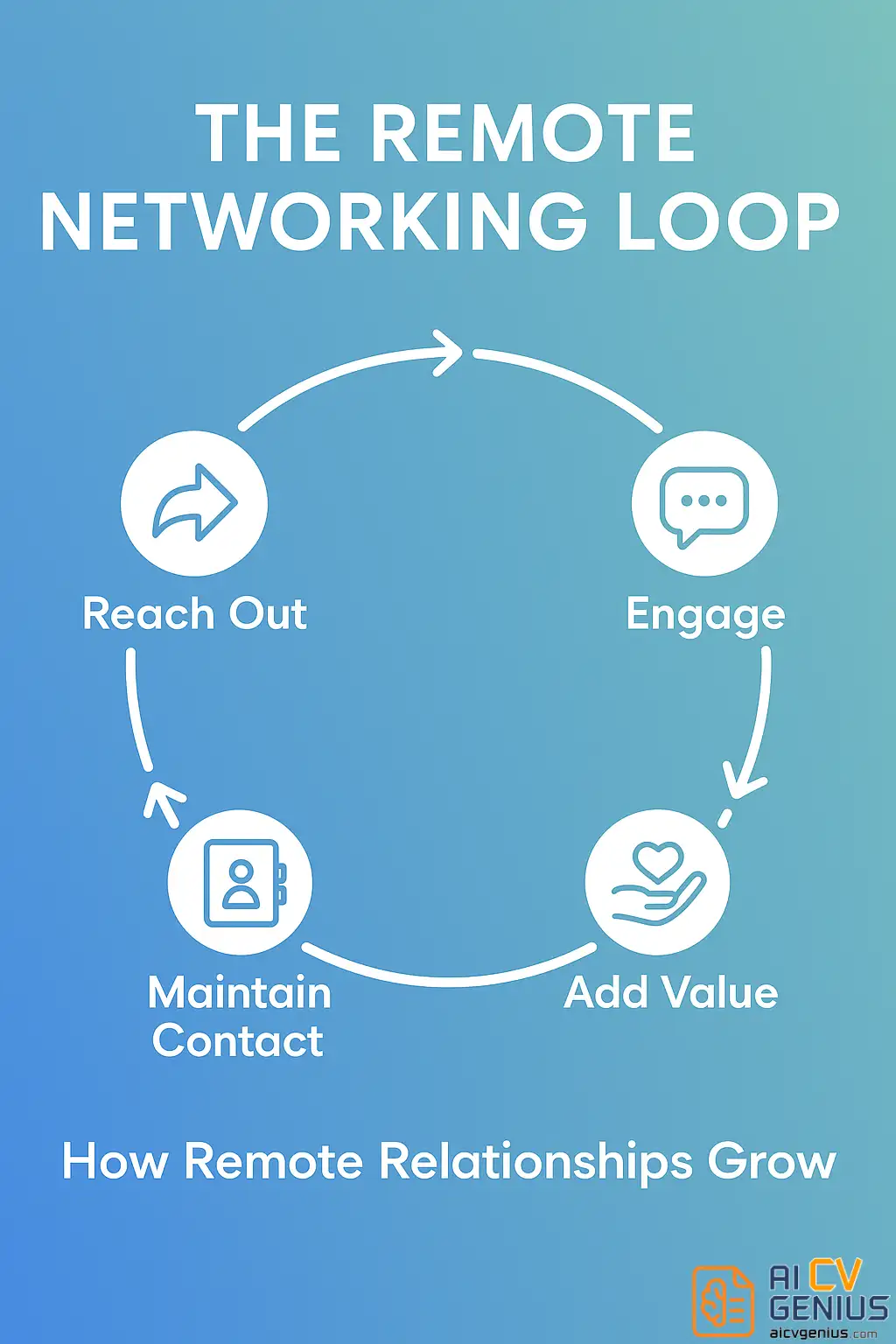
- What works now: Shared purpose first, give before you ask, and show up consistently without posting nonstop.
- Where to focus: Pick two spaces and become recognizable there, LinkedIn for discovery and a niche Slack or Discord for real conversation.
- How to start and deepen: Use a short intro with context and one specific reference, then follow up within a week with something useful.
- How it turns into outcomes: Maintain light touchpoints, quarterly check ins, thoughtful comments, and small collaborations that compound into referrals and opportunities.
Networking Isn’t Dead – It Just Moved Online
Before 2020, networking meant name tags, handshakes, and noisy conference halls. Now, it happens through screens, shared Slack channels, and spontaneous DMs. For remote professionals, the question isn’t if networking still matters – it’s how to make it feel real when you’re miles apart.
Whether you’re a freelancer, digital nomad, or full-time remote employee, learning these networking tips for remote workers will help you stay visible, build credibility, and find genuine collaboration – without small talk fatigue.
Why Networking Matters Even When You Work Alone
In an office, relationships form naturally – hallway chats, team lunches, shared coffee breaks. Remote work removes those organic touchpoints, so relationships must be intentional. Without networking, your visibility shrinks to your task list. With it, you grow reputation, opportunities, and emotional connection – the three currencies of remote success.
According to a 2025 Buffer survey, 68% of remote workers cite “lack of connection with peers” as their top challenge. But the good news? Digital networking can be more efficient than traditional methods if done consciously.
The New Rules of Digital Networking
Remote networking isn’t about collecting contacts – it’s about exchanging insight. The best connections online are built on curiosity, consistency, and generosity.
1. Start With Shared Purpose
Instead of randomly adding people on LinkedIn, look for shared missions: same industry, similar challenges, or complementary skills. Connection grows faster when rooted in common ground – “I admire how you approach…” is more powerful than “Can we connect?”
2. Give Before You Ask
Digital relationships grow through contribution. Comment on others’ posts meaningfully, share resources, introduce contacts. People remember givers, not grabbers.
This principle – adding value before requesting – mirrors what we explained in what top candidates have in common: credibility comes from contribution first, not self-promotion.
3. Be Consistent, Not Constant
Posting every day isn’t connection – it’s broadcasting. Networking thrives on rhythm, not noise.
Set aside 15 minutes twice a week for engagement: respond to messages, check in with old colleagues, or share one thoughtful post.
Consistency over time beats intensity once in a while.
How to Network Effectively Online
Where to Network as a Remote Professional
The internet is full of rooms – but you need to know which ones matter. Here’s where remote networking actually works:
- LinkedIn: Still the most powerful platform for professional discovery. Use it to comment, publish, and join niche discussions.
- Industry Slack or Discord groups: Great for real-time conversation and visibility among peers.
- ️ Virtual events or webinars: Engage in chat, ask questions, connect afterward with speakers or attendees.
- Community learning platforms: Sites like Coursera or Product School often have discussion boards – use them to meet learners like you.
Choose two platforms and show up consistently. The goal isn’t to be everywhere – it’s to be present somewhere.
How to Write the Perfect Online Introduction
Most people overthink introductions. The secret? Keep it short, relevant, and friendly.
Here’s a simple formula:
| Step | Example Line |
|---|---|
| Greeting | “Hi Alex – I came across your recent post on sustainable design…” |
| Context | “I work remotely in a similar space and really appreciated your insight on [topic].” |
| Connection | “Would love to stay in touch or exchange ideas sometime.” |
Building Relationships That Last
Real networking begins after the first hello. Here’s how to turn one connection into a relationship:
Follow Up Within a Week
Send a brief message referencing something specific you discussed.
Example: “You mentioned your team was exploring async collaboration – I found this great article on that topic.”
Follow-ups show sincerity, not strategy.
Schedule Virtual Coffee Chats
Offer 15–20 minute calls, not formal meetings. Ask thoughtful questions:
- “What’s been your biggest challenge working remotely?”
- “What do you enjoy most about your role?”
Listen more than you speak – connection grows from curiosity.
Stay Visible Between Conversations
Interact naturally with their content. Congratulate them on achievements, respond thoughtfully, or share mutual interests.
Consistency = credibility.
How to Network Within Your Remote Company
Even internal networking matters. Remote employees often feel invisible beyond their immediate team.
Try these:
- Join cross-functional meetings occasionally – not just your department’s.
- Celebrate colleagues publicly on Slack or Teams.
- Volunteer for side projects that connect departments.
- Send short “thank-you” notes after collaboration – people remember kindness.
Internal networking builds allies who can advocate for you when opportunities arise – a concept aligned with how to improve your CV: visibility multiplies your value.
Overcoming Common Remote Networking Challenges
Remote workers often face mental barriers: awkwardness, impostor syndrome, or feeling intrusive. Let’s address them.
1. “I Don’t Know What to Say”
Start with curiosity, not self-promotion. Ask questions like “How did you start in your field?” or “What’s one thing you’ve learned working remotely?”
People love sharing experiences – your job is to listen.
2. “I Feel Awkward Reaching Out”
That’s normal. Remember: everyone online is networking. Your message is not interruption – it’s opportunity.
The key is authenticity. If you approach others with genuine interest, awkwardness fades fast.
3. “I Don’t Have Time”
You don’t need hours. Micro-networking – 10 minutes a day – builds compounding visibility.
Networking isn’t a task; it’s a career habit.
Examples, Strategies, and Best Practices
Examples of Virtual Networking Done Right
Let’s look at real-world examples of remote networking in action:
Case 1 – The Freelancer Who Built a Global Client Base
Maria, a freelance writer, began commenting on marketing posts weekly. She shared insights without pitching. Within three months, she gained three clients who said they reached out because “you always add value.”
Lesson: generosity scales faster than ads.
Case 2 – The Remote Developer Who Found Mentorship
Ravi, a remote developer, joined a global Slack community for engineers. Instead of lurking, he shared solutions to coding questions weekly. Six months later, a senior member referred him to a startup job.
Contribution creates credibility – no cold outreach needed.

Turning Online Connections Into Real Opportunities
Networking shouldn’t stop at conversation. Turn connections into collaboration:
- Co-host an online event or LinkedIn Live.
- Exchange resources or insights quarterly.
- Refer work opportunities or introductions mutually.
The more you help others grow, the more your reputation grows silently in the background.
How to Keep Relationships Alive Over Time
Most people make connections, then disappear. Real networking is maintenance. Set reminders to check in quarterly – not to ask for favors, but to reconnect.
A simple “How have things been?” or “Saw this article and thought of you” keeps bonds fresh.
Relationships thrive on presence, not pressure.
The Psychology Behind Digital Networking
Humans are wired for connection – but digital distance creates emotional lag. Psychologists call it “relationship decay”: when contact stops, familiarity fades within 90 days. That’s why light, consistent touchpoints – even emoji reactions or short replies – sustain rapport longer than you think.
Table: Quick Networking Dos and Don’ts
| ✅ Do | ❌ Don’t |
|---|---|
| Personalize every message | Copy-paste generic templates |
| Ask thoughtful, open-ended questions | Talk only about yourself |
| Follow up with gratitude | Disappear after one message |
| Engage consistently (lightly) | Spam likes or comments |
Balancing Authenticity and Strategy
Networking without sincerity feels manipulative; networking without direction feels aimless. Balance both. Know your goals (visibility, mentorship, collaboration), but approach every person as human first. The best digital networks form when professional purpose meets personal kindness.
FAQ
Final Thoughts
Networking for remote workers isn’t about algorithms or followers – it’s about presence. You don’t need to be everywhere; you just need to show up where it counts. One thoughtful comment, one generous share, one sincere check-in can open doors no resume ever could.
Working remotely may mean fewer hallways – but it also means infinite doors. The next connection that changes your career might just start with a single message.